
Partnership desk · Dubai (GST) B2B only — licensed optical retailers & distributors
English العربية
0%

Choosing Turkish engineered optical frames in 2026 calls for more than a country-of-origin label. Buyers should examine the frame’s material, hinge construction, finish, and fit. Hold the temples open and closed; movement should feel controlled, not loose or gritty. Check edges around the bridge and nose pads for rough spots. Small details matter.

“Engineered” can describe many different products. It does not guarantee consistent quality by itself. Ask the seller for clear specifications, care guidance, and information about available sizes or replacement parts. Product photos can help, but they rarely show how a frame sits on an actual face. That gap matters. Consider your prescription needs, lens weight, and how long you typically wear glasses each day. A lightweight frame may feel comfortable, yet a poor bridge fit can still cause pressure. Fit is personal.

This guide looks at practical checks buyers can make before choosing Turkish engineered optical frames, from construction cues to everyday comfort. It also treats marketing claims with care. A polished finish is not proof of durability, and a premium price is not proof of a better fit. Where product details are missing, that uncertainty should be acknowledged rather than filled with assumptions. Compare specific models, review return terms, and seek advice from an optical professional when prescription compatibility is unclear. The best choice is the frame whose documented features, fit, and service support match your needs—not simply the one with the strongest sales language.
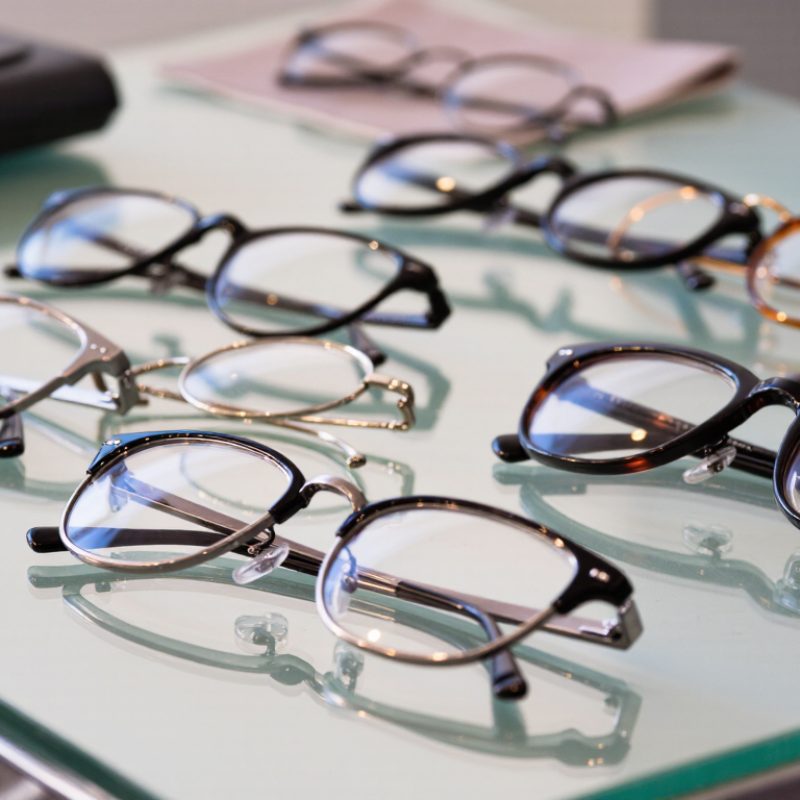
2026 Best Turkish Engineered Optical Frames for Buyers?

What “Turkish-Engineered” Means in Optical Frame Manufacturing

In optical frame manufacturing, “Turkish-engineered” usually describes where product design, technical development, or production planning takes place. It does not automatically mean every component is made in Turkey. The phrase alone is not a material specification. Buyers should ask which stages happen locally: frame design, mold development, cutting, polishing, assembly, and final inspection.

Engineering becomes visible in small details. Check whether the bridge sits evenly, the temples open without scraping, and the hinges stay aligned after repeated movement. A well-finished rim should feel smooth around the lens groove, without sharp edges or uneven coating. Ask for material details, dimensional tolerances, and quality-control records. Practical fit still matters most. A precise drawing cannot predict every face shape.

Reliable suppliers should explain their manufacturing steps and distinguish the engineering location from component origins. When consistency matters, request samples from more than one production batch. Compare lens fit, screw seating, surface finish, and left-to-right symmetry under ordinary handling. Documentation helps, but it is not proof by itself. I would not treat the label as a guarantee; sometimes the answers are less tidy than a sales page suggests.

Materials and Construction Features That Shape Frame Quality

Turkish engineered optical frames can vary by workshop, material, and production method, so buyers should assess the actual frame rather than rely on its origin alone. Acetate rims should feel smooth, with no sharp edges around the bridge or temples. Hold the frame against a bright window. Cloudy patches or uneven thickness may point to inconsistent finishing, though appearance cannot prove durability. A good polish is only one clue.

Metal frames depend on alloy choice and joint construction. Stainless steel offers practical resistance to corrosion, while titanium is often lighter and typically costs more. Ask for a specific material description, not just a “lightweight” claim. Open and close each temple several times. Hinges should move smoothly, without scraping or sideways wobble. Check the screws, too. A new frame should not feel loose.

Fit is part of build quality. Nose pads should sit evenly, and the temples should rest behind the ears without pinching. Set the frame on a flat surface and look for obvious rocking; small differences can matter, but faces are not perfectly symmetrical. Easy to miss. Coatings and decorative finishes may wear sooner at contact points. Ask about adjustment support and read the warranty terms. A polished sample tells only part of the story.

2026 Best Turkish Engineered Optical Frames for Buyers? — Materials and Construction Features That Shape Frame Quality
Material or Feature Typical Construction Practical Strengths Trade-offs to Consider What Buyers Should Check Often Suited To
Cellulose acetate Usually cut and shaped from laminated acetate sheet; rims may be polished and fitted with metal core wires in the temples. Offers varied colors and patterns, can be adjusted by an optician with appropriate heat, and supports substantial frame shapes. Can be heavier than thin metal designs; prolonged heat or sunlight may affect fit or finish. “Acetate” alone does not indicate sheet quality or workmanship. Look for even coloring and polish, smooth edges, secure lens seating, aligned temples, and a straight, firmly embedded temple core. Buyers seeking color variety, a more substantial look, or adjustable plastic-style frames.
Stainless steel Thin sheet or wire components are formed, joined, finished, and fitted with hinges and nose-pad arms as required. Can produce lightweight, slim designs; generally resists corrosion better than ordinary carbon steel. May contain nickel; alloy composition and surface coating matter. Thin parts can deform if poorly designed or handled roughly. Check for smooth welds, secure hinge joints, even coating, comfortable nose-pad contact, and disclosure of alloy or nickel-related information. Buyers prioritizing a slim profile and low frame weight.
Monel and other copper-nickel alloys Metal sheet or wire is shaped and assembled into rims, bridges, and temples; protective plating or coating may be applied. Commonly used for formable metal eyewear components and can support a range of detailed shapes. Nickel content may be relevant for people with nickel sensitivity. Plating can wear with use, exposing the underlying alloy. Ask for material and coating details; inspect high-contact areas, nose-pad arms, soldered joints, and edges for exposed or uneven finish. Buyers looking for conventional metal-frame styling and adjustable components.
Titanium Frames may use titanium sheet, wire, or components; construction can include welded or mechanically joined parts. Titanium has a high strength-to-weight ratio and good corrosion resistance. Some grades are used to make lightweight frames. “Titanium” can describe different grades or only selected parts; grade, joining quality, and component composition vary by product. Confirm which parts are titanium and request grade or material documentation where relevant; inspect joints, hinges, and finish rather than relying on the label alone. Buyers seeking low weight and corrosion resistance, subject to verified material claims.
Beta-titanium components Often used in flexible temple sections or other parts designed to flex; exact alloy and construction depend on the frame. Can provide useful elastic flexibility in appropriately designed components while keeping weight low. Flexibility is not indestructibility; repeated over-bending or poor hinge design can still cause failure. Check that flexing parts return smoothly, do not show sharp kinks, and are joined securely to the front and hinge assembly. Buyers wanting flexible temples or a lighter metal design.
Injected polyamide or similar engineering polymers Frame fronts and temples are formed in molds; hinges or reinforcement may be integrated or assembled afterward. Supports lightweight, repeatable shapes and can be suitable for sport-oriented or everyday designs, depending on the polymer grade. Performance varies by polymer formulation and molding quality; some designs offer less easy adjustment than acetate or metal frames. Look for clean, consistent molding, no sharp flash or sink marks, secure hinges, and clear information about the polymer used. Buyers seeking a lightweight molded frame or a streamlined design.
Hinges and fasteners May use screws, rivets, embedded hinge plates, or other mechanical joints; some designs include spring hinges. Well-aligned, securely mounted hinges help temples open and close evenly and support a stable fit. More moving parts do not automatically mean better durability; loose screws and weak attachment points can cause problems. Open and close both temples several times. Check for even resistance, lateral play, secure screws, and matching alignment on both sides. Every buyer; hinge quality is important regardless of frame material.
Lens rims, grooves, and alignment Full-rim frames hold lenses in a continuous rim or groove; the rim profile and lens fit depend on frame design. Consistent alignment and a well-finished groove help lenses sit securely and evenly. A frame that is twisted or poorly finished can complicate lens fitting and affect how it sits on the face. Inspect for an even rim, smooth groove, no visible gaps around fitted lenses, and level frame fronts when placed on a flat surface. Every buyer, especially when lenses will be made to prescription.
Fit dimensions and adjustment Common frame markings show lens width, bridge width, and temple length in millimeters; actual fit also depends on shape and adjustment. Measurements help compare frames and provide a starting point for choosing a size. The same marked dimensions can fit differently because of lens shape, bridge design, temple angle, and frame curvature. Check that the frame sits level, does not pinch or slide, and leaves appropriate clearance at cheeks and eyelashes; have fit adjustments made by a qualified optician. Every buyer; especially useful when ordering online or replacing a familiar frame.

Buyer note: Turkish-made frames may use any of these materials, but manufacturing location alone does not establish material grade or frame quality. Request material specifications and inspect the finished frame. For applicable spectacle-frame requirements and test methods, buyers can ask suppliers about conformity to ISO 12870; suitability and certification should be verified for the specific product and market.

Frame Styles, Fit Options, and Use Cases for Different Buyers

Turkish-engineered optical frames suit different buyers when style is matched with face shape, lens weight, and daily routine. A slim metal rectangle can feel balanced on a narrow bridge, while a wider acetate front offers more visual presence. Neither is automatically more comfortable. Check bridge width, temple length, and the frame’s stated size before ordering; a few millimeters can change how the frame sits.

For long workdays, buyers may prefer lightweight frames with adjustable nose pads and temples that do not press behind the ears. For stronger prescriptions, a smaller, well-centered lens shape can reduce edge thickness and weight. ISO 12870 sets requirements and test methods for spectacle frames, so ask suppliers which tests and records support their quality claims. Good details matter. A polished hinge is useful, but it cannot correct a poor fit.

Use case should guide the final choice: flexible hinges may help frequent wearers, while sturdy full-rim styles can better protect lens edges during everyday handling. The World Health Organization’s 2019 World Report on Vision estimated that at least 2.2 billion people have near or distance vision impairment globally. That figure is not a frame-sales forecast, but it underscores why fit and prescription needs deserve attention. A catalog fit can still disappoint. Buyers should request actual frame measurements and, when possible, try samples; online sizing alone leaves room for error.

How to Compare Turkish Optical Frames for Value and Durability

When comparing Turkish optical frames, assess construction rather than relying on origin alone. Turkey has an established eyewear manufacturing sector, but quality varies by material, factory, and inspection standards. Check acetate edges for smooth finishing and inspect metal joints for clean soldering. Open and close each temple repeatedly. It should move evenly, without scraping or wobbling. Small details matter.

Grand View Research estimated the global eyewear market at USD 169.07 billion in 2023 and forecast an 8.4% annual growth rate from 2024 to 2030. This market-wide figure is not specific to Turkish frames, but it shows why buyers should compare specifications carefully.

Ask suppliers for material details, hinge-cycle or durability test results, production tolerances, and defect-rate records. Compare those documents with physical samples. Also check whether spare screws and replacement parts are available. A low unit price may cost more if frames arrive misaligned or need frequent repair. I would still treat a polished sample cautiously; it may not represent every production batch.

Tips: Test the hinges, check frame symmetry on a flat surface, and request written quality criteria. Compare landed cost, warranty terms, and sample performance—not price alone.

Buyer Checklist for Sourcing Frames in 2026

2026 Best Turkish Engineered Optical Frames for Buyers?

A reliable sourcing decision starts with a measurable specification, not a polished sample. For Turkish engineered optical frames, request the frame’s material, lens-eye size, bridge width, temple length, and weight in writing. Compare those figures with a physical sample. Check that both temples open smoothly and sit evenly on a flat surface. Small alignment differences can become noticeable during wear.

Ask how the supplier checks production consistency between sample approval and repeat orders. Request clear photos of hinge attachment, edge finishing, and frame markings, plus a written inspection plan. Confirm minimum order quantities, production lead times, packaging details, and how defects are recorded. If a finish looks perfect under showroom lighting, inspect it in ordinary daylight too. That step is easy to miss. Do not assume every batch will match the first sample; define acceptable variation before placing an order.

Tips: Keep one approved sample as your reference. Measure several frames from a trial batch, not just one. Ask for material and quality documents that match the exact model. If answers are vague, pause and clarify them. I would also revisit my own checklist after each order; it may still miss a detail that matters in daily use.

FAQS

Does “Turkish-engineered” mean every part is made in Turkey?

No. It may describe design, technical development, or production planning. Ask where each manufacturing stage happens.

How can I check a frame’s finish?

Run a finger gently along the rim and lens groove. Look for sharp edges, uneven coating, or cloudy patches. Appearance alone proves little.

What should I check on metal frames?

Open and close the temples several times. Hinges should move smoothly, without scraping or sideways wobble. Check that the screws feel secure.

Which materials should I compare?

Stainless steel resists corrosion, while titanium is often lighter and costs more. Ask for the specific material, not just a “lightweight” claim.

How can I tell whether a frame fits well?

Check that nose pads sit evenly and temples rest behind your ears without pinching. A flat surface can reveal rocking, but faces differ.

What measurements matter when ordering online?

Check bridge width, temple length, and the stated frame size. A few millimeters can change the fit. Samples help, when available.

What frame features suit stronger prescriptions?

A smaller, well-centered lens shape may reduce edge thickness and weight. Still, lens needs and fit should guide the choice.

How can I assess a supplier’s consistency?

Request samples from different production batches. Compare lens fit, screw seating, surface finish, and symmetry. A polished sample can be misleading; I may trust it too easily.

Conclusion

This guide explores what Turkish engineered optical frames represent in modern eyewear manufacturing, from design and production choices to the details that influence everyday performance. It explains how materials, hinges, finishing, and construction methods can affect a frame’s comfort, durability, and overall quality, helping buyers look beyond appearance alone.

Readers will also find an overview of frame styles, fit options, and practical use cases for different preferences and needs. By comparing value, build quality, and expected wear, buyers can make more informed sourcing decisions in 2026. A straightforward checklist brings these considerations together, covering specifications, consistency, comfort, and supplier communication so that Turkish engineered optical frames can be assessed with clear priorities.

Ethan

Ethan

Ethan is a professional marketing specialist with a strong understanding of product strategy, customer needs, and digital communication. As a key contributor to the company’s content and marketing efforts, he regularly publishes insightful blog articles that explain industry trends, practical......