
Partnership desk · Dubai (GST) B2B only — licensed optical retailers & distributors
English العربية
0%

Choosing the right frames begins with understanding how people actually shop for eyewear. Retail optical frames supply is not simply about filling displays with attractive styles. It involves balancing fit, durability, lens compatibility, price, and changing customer preferences. A polished acetate frame may attract attention, yet a poorly adjusted bridge can quickly damage the buying experience. Comfort matters more than first impressions.

Optical product consultant Daniel Mercer explains, “A frame must earn its place on the face.” This practical view reflects an important retail reality. Customers compare lightweight titanium, flexible TR90, classic acetate, stainless steel, and rimless designs differently. Each material creates a different touch, silhouette, and maintenance expectation. Buyers also examine frame sizes, hinge quality, nose-pad design, color stability, and prescription-lens support. Small details often decide repeat purchases.

This guide explores the top types of retail optical frames and their commercial value. It considers full-rim, semi-rimless, rimless, metal, plastic, eco-conscious, children’s, and performance-oriented options. The categories may overlap. That is worth admitting. A lightweight frame can still feel fragile, while a bold frame can remain comfortable when properly engineered. Reliable Retail optical frames supply requires more than trend awareness. It requires consistent quality checks, accurate product information, and careful attention to real wearing conditions. Store owners should also review return patterns and staff feedback before expanding a category. Trends help. Evidence helps more.
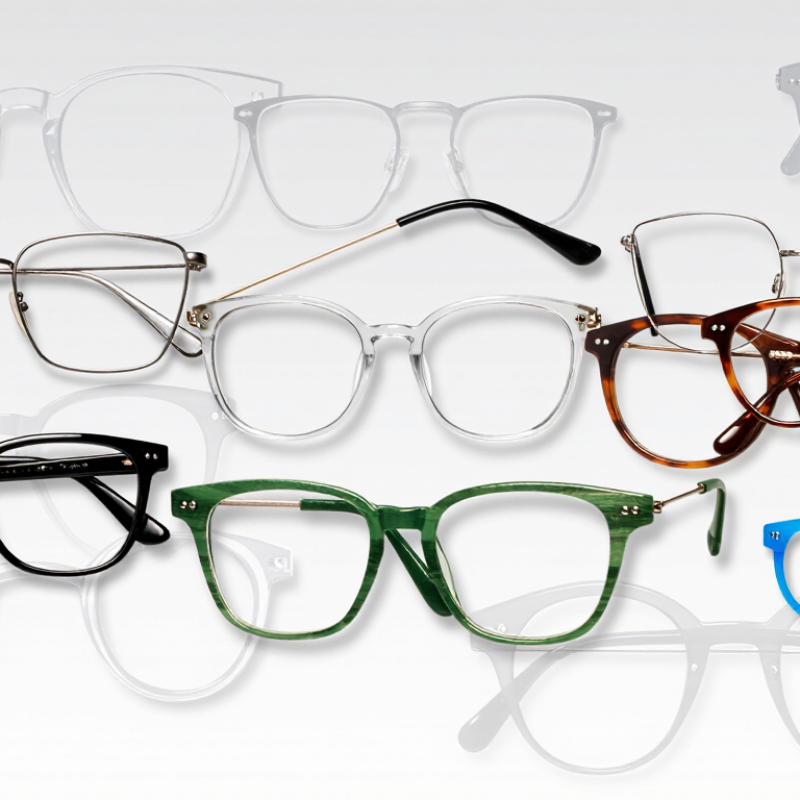
What Are the Top Types of Retail Optical Frames?

Frame Types by Shape and Structural Design

Retail optical frames are best compared by shape and structural design. Round frames soften angular faces, while rectangular frames add visual definition. Oval shapes often create a balanced appearance. Cat-eye designs lift the outer corners, but their effect depends on width and bridge position. Face-shape advice is useful, not absolute.

Structure matters more than appearance alone. Full-rim frames surround the lens and offer dependable edge protection. Semi-rimless frames use a narrow groove and lightweight line, yet require careful lens fitting. Rimless frames create a minimal look, but their mounting points need regular inspection. A strong hinge, accurate bridge, and suitable temple length can improve daily comfort. The Vision Council’s 2023 Consumer inSights report indicates that roughly four in five U.S. adults use vision correction. That scale makes fit and durability important retail decisions. Grand View Research also projects continued growth in the global eyewear market through 2030, reflecting demand for both function and personal style.

Tips: Compare the frame width with your cheekbones. Check that the bridge does not leave red marks. Ask an optician to assess pupil alignment and lens thickness. Try frames while reading, smiling, and looking down. A frame may look balanced in a mirror, yet slide during movement. That is an easy detail to miss. Shape charts cannot replace real fitting experience.

Materials Used in Retail Optical Frames

What Are the Top Types of Retail Optical Frames?

Materials Used in Retail Optical Frames

Retail optical frames commonly use acetate, injected plastic, nylon blends, stainless steel, and titanium. The material affects comfort, durability, weight, and adjustment options. In retail fitting, these details often matter more than appearance alone.

Acetate frames feel smooth and substantial. They offer rich color layers and allow skilled technicians to make careful adjustments. However, acetate can become brittle after long exposure to heat, sunlight, or harsh chemicals. That weakness is easy to overlook. Injected plastic frames are usually lightweight and affordable. Their molded construction supports consistent shapes, but adjustments may be more limited. Nylon blends provide useful flexibility for active wearers. They can resist impact, although some designs may feel less refined during fitting.

Metal frames create a different wearing experience. Stainless steel offers strength, corrosion resistance, and a slim profile. Titanium is lighter and often suits people who dislike pressure around the nose and ears. Yet material quality, coating, hinges, and construction still influence performance. Titanium alone does not guarantee a perfect frame.

No material is perfect.

I still think fit should guide the purchase. A professional optician should check bridge contact, temple pressure, lens alignment, and skin sensitivity. Customers should also consider daily habits, cleaning products, climate, and repair access. Small details matter. A beautiful frame can become uncomfortable when its material does not match the wearer’s routine.

What Are the Top Types of Retail Optical Frames? - Materials Used in Retail Optical Frames

Frame Type Primary Material Key Material Characteristics Main Advantages Potential Limitations Common Retail Positioning
Acetate Frames Cellulose acetate Plant-derived thermoplastic made primarily from cellulose and plasticizers; can be shaped with heat and polished. Rich color depth, layered patterns, comfortable feel, good adjustability, and strong design flexibility. Generally heavier than thin metal or lightweight nylon; prolonged exposure to high heat may deform the frame. Fashion-led, premium-looking, colorful, and statement eyewear.
TR-90 Frames Flexible thermoplastic nylon Lightweight, flexible, impact-resistant, and commonly used in sport and everyday optical designs. Low weight, good resilience, comfortable fit, and resistance to everyday impacts. Fewer surface-finishing and color-layering options than premium acetate; material performance varies by formulation. Active lifestyles, children’s eyewear, and lightweight everyday frames.
Stainless-Steel Frames Stainless steel alloy Strong metal with good corrosion resistance; can be produced in thin profiles. Slim appearance, durability, precise construction, and generally good resistance to moisture and perspiration. Can feel less flexible than nylon; some users may be sensitive to specific alloy components. Minimalist, professional, thin, and affordable metal eyewear.
Titanium Frames Commercially pure titanium or titanium alloy High strength-to-weight ratio, corrosion resistance, and low density compared with many common metals. Very lightweight, durable, corrosion-resistant, and suitable for thin, refined constructions. Higher manufacturing cost; repairs and adjustments may require specialized equipment or skills. Premium lightweight eyewear and long-term comfort.
Aluminum Frames Aluminum alloy Low-density metal that can be anodized or coated for color and surface protection. Lightweight feel, modern appearance, and good potential for distinctive surface finishes. Less elastic than some other frame metals and may be more difficult to repair after bending. Contemporary, architectural, and design-focused collections.
Injection-Molded Plastic Frames Nylon, polyamide, polycarbonate, or other engineering thermoplastics Manufactured by injecting heated polymer into a mold; supports repeatable shapes and high-volume production. Consistent dimensions, efficient production, broad shape availability, and competitive pricing. Surface appearance may be less layered than acetate; some plastics can become brittle with aging or ultraviolet exposure. Value-oriented, family, children’s, and high-volume retail ranges.
Combination Frames Acetate or nylon front with stainless steel, titanium, or other metal components Combines the visual and tactile qualities of plastics with the structural advantages of metal. Design versatility, balanced weight, visual contrast, and multiple adjustment possibilities. More components can increase manufacturing complexity and create additional points for loosening or wear. Versatile everyday eyewear with a refined or fashion-forward appearance.
Bio-Based Plastic Frames Cellulose acetate or partially bio-based polymer blends Uses renewable or partly renewable feedstocks; environmental performance depends on formulation, manufacturing, and end-of-life handling. Can reduce reliance on wholly fossil-based feedstocks and supports sustainability-focused product stories. Bio-based content does not automatically mean biodegradable or compostable; disposal options may be limited. Eco-conscious collections and sustainability-oriented retail displays.

Note: Actual weight, flexibility, durability, and environmental performance depend on the specific alloy, polymer formulation, frame construction, coatings, and manufacturing process.

Frame Styles for Different Face Shapes

Retail optical frames work best when style and facial proportion meet. The Vision Council’s 2024 Consumer Insights report indicates that roughly three-quarters of U.S. adults use vision correction. That creates strong demand for frames that feel comfortable, not merely fashionable.

For oval faces, most frame types can work, including rectangular, round, and softly geometric designs. Square faces often benefit from rounded or oval rims, which soften a strong jawline. Round faces usually gain balance from angular rectangular frames with clear brow lines. Heart-shaped faces may suit lighter lower rims, oval lenses, or subtle cat-eye profiles. Long faces can appear more balanced with deeper lenses or wider temples. Fit matters more.

Face-shape guidance is not a strict formula. That shortcut sometimes fails. A narrow bridge, high cheekbones, or uneven facial features can change the result. In professional dispensing, the frame should align with the pupil centers, rest securely behind the ears, and avoid touching the cheeks. The Vision Council’s 2023 report also shows that eyeglasses remain the leading vision-correction choice among U.S. consumers, so everyday comfort deserves careful attention. Grand View Research estimated the global eyewear market at approximately 157.9 billion dollars in 2023, reflecting broad consumer demand across prescription and fashion segments. Still, market size cannot predict personal suitability. A frame may look excellent in a product photo yet feel heavy after six hours. The mirror can mislead.

Features That Affect Comfort, Fit, and Durability

Retail optical frames differ most in comfort, fit, and durability, not appearance alone. Acetate frames feel warm and substantial against the skin. They also allow detailed adjustment by trained optical staff. Metal frames offer slimmer profiles and flexible nose-pad positioning. However, loose screws and pressure points can develop without regular maintenance. Nylon-based frames are lightweight and resist impact well. They suit active wearers, though some shapes may be harder to adjust precisely.


Fit should follow the wearer’s face, bridge, temples, and daily habits. The Vision Council’s 2023 Consumer inSights report indicated that roughly three in four U.S. adults use vision correction. That scale makes reliable fitting essential. A frame should sit level, leave eyelashes untouched, and distribute pressure behind the ears. Wide temples may feel stable initially. They can become uncomfortable after several hours. Small details matter.

Durability also depends on hinges, coating quality, and lens mounting. Rimless and semi-rimless designs reduce visual weight, but their exposed mounting points need careful handling. ANSI Z80.5 provides ophthalmic frame requirements, yet laboratory compliance cannot predict every real-world failure. A frame can pass testing and still feel wrong on a narrow bridge. Retail teams should inspect hinge tension, finish consistency, and screw security before display. Buyers should also ask about repairability, because the most sustainable frame is often the one that remains wearable. No material wins every test.

Choosing Optical Frames for Vision Needs and Personal Style

Choosing retail optical frames should begin with vision needs, not a trend on a display shelf.

Full-rim frames offer strong lens support and suit active daily wear. Semi-rimless styles feel lighter, but their lens edges may need extra care. Rimless frames create a nearly invisible look and work well with lighter prescriptions. Strong prescriptions may need smaller lenses and thinner materials. A qualified optician can check these details accurately.

Personal style matters too. A round frame can soften angular features, while a rectangular frame may create a sharper appearance. Soft-square shapes often balance many face types.

Color changes the impression. Clear frames look subtle, deep tones feel more formal, and warm colors can add energy. Try frames under natural light. Store lighting can be misleading.

Fit decides whether a stylish frame becomes a useful one.

The bridge should rest securely without pinching. Temples should follow the head without leaving painful pressure marks. Your pupils should sit near the lens centers, especially with stronger prescriptions. Measure pupillary distance carefully. It is easy to overlook.

I have also seen people choose oversized frames for appearance, then struggle with sliding and blurred edges. That choice is not always wrong, but it deserves a second look.

Ask for adjustments after wearing the frame for several minutes. Small changes can improve comfort more than a dramatic style change.

FAQS

Which frame shapes suit different face shapes?

Oval faces can suit round, rectangular, or softly geometric frames. Square faces often look balanced with rounded or oval rims. Round faces may benefit from angular rectangular designs. These are guidelines, not rules.

How do rectangular frames affect facial appearance?

Rectangular frames add visual definition and clearer brow lines. They can balance rounder facial features. Check the width against your cheekbones. Too-wide frames may look awkward.

What should I know about full-rim, semi-rimless, and rimless frames?

Full-rim frames surround the lenses and provide dependable edge protection. Semi-rimless frames look lighter but need careful lens fitting. Rimless frames create a minimal appearance. Their mounting points need regular inspection.

Which frame material is best for daily wear?

Acetate feels smooth and substantial, with layered color options. Injected plastic is usually light and affordable. Nylon blends offer useful flexibility for active routines. Stainless steel provides strength and a slim profile. Titanium feels light. No material is perfect.

Can titanium guarantee a comfortable frame?

No. Titanium may reduce pressure around the nose and ears. Comfort still depends on the bridge, temples, hinges, and adjustments. A light frame can still fit badly. That detail is easy to miss.

How can I check whether a frame fits properly?

Compare the frame width with your cheekbones. The bridge should not leave red marks. The temples should rest securely behind your ears. The lenses should align with your pupils. Try reading, smiling, and looking down.

Why can a frame look good but feel uncomfortable later?

A mirror shows appearance, not several hours of pressure. A frame may slide while walking or looking down. Heavy materials can tire the nose and ears. Photos can mislead. Real movement matters.

What should an optician check before fitting lenses?

An optician should assess pupil alignment and lens thickness. They should also check bridge contact, temple pressure, and skin sensitivity. Accurate fitting may improve comfort and lens positioning. Face-shape charts cannot replace professional fitting.

How should daily habits influence a frame choice?

Consider your cleaning products, climate, activities, and repair access. Heat and sunlight may weaken some materials over time. Active wearers may prefer flexible construction. A beautiful frame may not suit your routine. I would reconsider the purchase after one uncomfortable day.

Conclusion

Retail optical frames come in a wide range of shapes and structural designs, including round, square, oval, rectangular, cat-eye, rimless, and semi-rimless styles. Their materials may include acetate, stainless steel, titanium, aluminum, flexible polymers, and lightweight composites, each offering different levels of strength, flexibility, weight, and visual appeal. Retail optical frames supply should accommodate varied customer preferences while supporting reliable everyday wear.

Frame selection also depends on face shape, vision requirements, comfort, fit, and personal style. Features such as adjustable nose pads, flexible hinges, balanced weight distribution, smooth edges, and durable finishes can improve wearing comfort and product longevity. A suitable frame should provide enough space for the required lenses, remain stable during movement, and complement the wearer’s facial proportions. By considering structural design, material performance, facial features, optical needs, and lifestyle preferences, retailers can offer practical and attractive options for different customers.

Ethan

Ethan

Ethan is a professional marketing specialist with a strong understanding of product strategy, customer needs, and digital communication. As a key contributor to the company’s content and marketing efforts, he regularly publishes insightful blog articles that explain industry trends, practical......