201 Stainless Steel

Explore our export-ready optical selections engineered to medical CE standards, featuring aerospace-grade metals, hypoallergenic bio-acetates, and resilient TR90 composites.
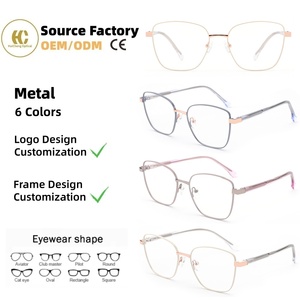

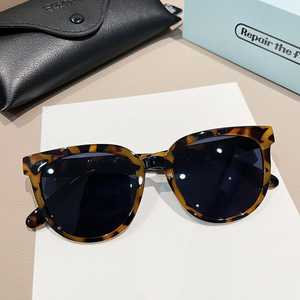
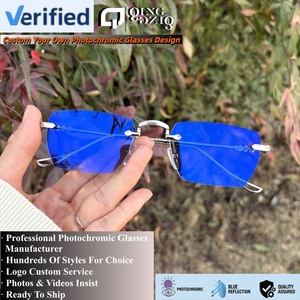
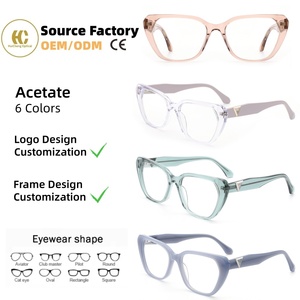
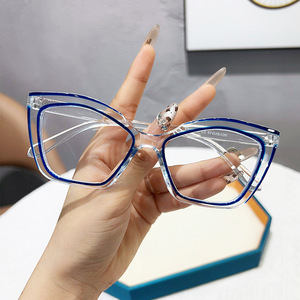
The pilot and aviator optical silhouette is among the most structurally demanding geometries in ophthalmic dispenser history. Unlike thick-rimmed acetate designs that absorb mechanical forces evenly across broad profiles, the aviator depends on slender rims, an elevated sweat bar (brow bar), and a reinforced double bridge to preserve ocular alignment. When scaling prescription eyewear across European, GCC, and North American markets, compliance with the European Medical Device Regulation (EU) 2017/745 (Class I Medical Devices) and EN ISO 12870:2018 is essential. Compliance directly protects commercial profitability, shields brand equity, and safeguards end-user ophthalmic comfort.
Our manufacturing and export ecosystem integrates raw material traceability, structural finite element stress testing, and chemical non-toxicity controls into every batch of pilot optical frames. Dispensers and clinical optometrists often face returned goods when low-cost frames lose their face-form wrap or tilt, introducing unintended prismatic induction and astigmatic aberrations into prescription lenses. By enforcing strict bridge-weld fatigue protocols and utilizing medical-grade monel, corrosion-resistant surgical stainless steel, and aerospace grade-5 titanium, we solve these mechanical issues before export shipments depart.
Procurement directors must balance cost targets, elasticity thresholds, and long-term durability. Below is an engineering overview of our primary materials configured for CE-certified aviator production:
| Raw Material Category | Tensile Strength (MPa) | Corrosion Resistance | Biocompatibility (ISO 10993) | Recommended Retail Positioning |
|---|---|---|---|---|
| Austenitic Stainless Steel (SUS 304/316L) | 520 – 750 | Extreme (500hr Salt Fog Verified) | Nickel-Safe / PVD Barrier Sealed | Mid-to-High Volume Commercial Chains |
| Beta-Titanium Alloy (Ti-15V-3Cr-3Sn-3Al) | 880 – 1020 | Absolute Immunity | 100% Hypoallergenic, Nickel-Free | Luxury Independent Boutique Assortments |
| Engineered Swiss TR90 Polymide | 85 – 110 | Immune to Perspiration/Chemicals | Food & Skin Contact Approved | High-Rotation Daily Ergonomic Collections |
| Cupro-Nickel High-Elasticity Monel | 450 – 580 | High (Multi-Layer Electroplated) | Requires CE Polyurethane Barrier | Cost-Competitive High-Volume Distribution |
Importing ophthalmic medical hardware into regulated territories requires full alignment with technical dossier documentation. Every aviator chassis departing our manufacturing hubs meets five core criteria:
1. EN ISO 12870 Nickel Release Thresholds: Under European standard EN 1811, prolonged direct dermal contact with optical metals must not release nickel ions in excess of 0.5 μg/cm²/week. Our frames feature double electrophoretic lacquer coats or multi-layer vacuum physical vapor deposition (PVD) to ensure zero direct-contact nickel leakage.
2. Structural Endurance and Hinge Cycling: Our double bridges and spring or 5-barrel hinge setups undergo automated 500-cycle bridge fatigue deflection testing and 10,000-cycle temple open-and-close endurance evaluations without loss of frictional torque or micro-fracturing along the solder joint.
3. Resistance to Environmental Perspiration: Utilizing synthetic alkaline and acid sweat baths maintained at 40°C ± 2°C for 24 continuous hours, surfaces are screened against discoloration, flaking, or pitting, meeting ISO 12870 Section 4.7 requirements.
4. Optical Lens Groove Stability and Retention: Aviator eye wires feature CNC-milled 110° to 120° eyewire V-bevel profiles. This precise mechanical seat prevents high-index organic or mineral corrective lenses from slipping during peripheral thermal expansion or mechanical stress.
5. Biocompatible Nose Pad Integration: We utilize food-grade medical liquid silicone or solid titanium pads mounted on micro-threaded screw brackets, eliminating skin irritation and cosmetic slippage on nasal cartilages in humid and high-heat environments.
Actionable market intelligence for optical supply chain directors planning seasonal product rotations and multi-region volume commitments.
Prescription wearers are pivoting away from heavy frames toward wire-thin profiles. Minimalist aviators with 0.8mm eye-wire widths engineered from cold-drawn stainless steel offer durability while reducing total frame weight below 12 grams.
The teardrop aviator silhouette is evolving into architectural polygons. Geometric upper contours and flattened brow bars capture demographic demand across younger fashion-forward consumers without requiring adjustments to dispensary edging practices.
European and American regulatory directives favor closed-loop manufacturing. Incorporating recycled marine stainless steel and non-petroleum bio-acetates derived from renewable wood pulp ensures compliance with upcoming global circularity mandates.
Retail patients expect versatile indoor/outdoor functionality. Aviator collections featuring customized magnetic CNC clip-on polarized sun modules allow optical practices to increase secondary transaction value at point of sale.
Historically, thin aviator profiles struggled to hide the edge thickness of high minus lenses (-4.00D and above). New aviator releases feature deep-rim step profiles (up to 3.0mm depth), concealing lens perimeter thickness while maintaining an elegant exterior profile.
Distributors are moving away from massive upfront warehouse holdings toward structured regional fulfillment hubs. Working with established supply desks guarantees lower holding costs, rapid seasonal restocks, and stable localized inventories.
Engineered to protect retail brand equity, eliminate downstream logistics friction, and maximize optical dispensary margins across international retail territories.
We work exclusively with licensed optical practices, retail optical chains, and registered healthcare distributors. We do not sell directly to consumers, meaning we never compete with your retail network for patient revenue.
Every aviator SKU undergoes pre-production sample sign-offs, inline weld radiography testing, drop-ball impact verification on demo lenses, and final microscopic inspection before carton consolidation.
Operating from our Dubai regional partnership desk, we bridge Far East manufacturing capabilities with regional buyers across the UAE, Saudi Arabia, Qatar, Kuwait, Europe, and Africa, cutting order transit times.
We supply Declarations of Conformity, full biocompatibility certificates, CE technical documentation, and harmonized customs coding (HS 9003.11 / 9003.19), streamlining national port clearances.
Beyond our curated in-house lines, we assist volume distributors with custom lens-geometry re-engineering, specialized pad-arm design, laser engraving, bespoke packaging suites, and custom acetates.
Our dedicated operations team operates seamlessly in English and Arabic, providing commercial agreements, technical line sheets, and inventory updates tailored to your local business environment.
Essential guidance for purchasing directors, clinical optical chains, and supply chain managers.
Partner with an established manufacturer and exporter committed to medical-grade precision, CE-certified quality assurance, and responsive B2B supply. Contact our partnership desk today for complete catalogs, technical specifications, and factory-direct volume pricing.
Get a Quote