Bespoke Metal


Turnkey private-label manufacturing matching certified European medical device standards, surgical dimensional tolerances, and high-rotation retail demand.
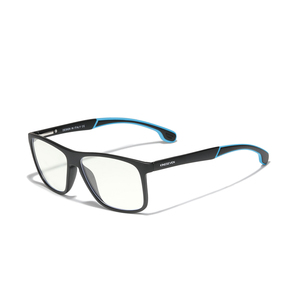
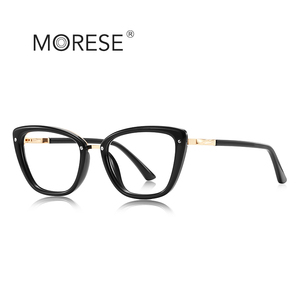



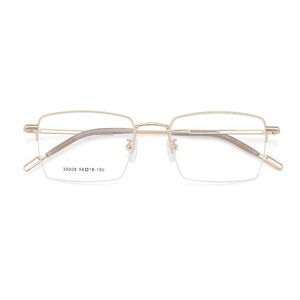
Looking for private mold development, customized pantone acetates, or complete SKU line sheets?
Integrated engineering, certified clean-room manufacturing, and strategic cross-border export logistics bridging European elegance and Middle Eastern supply resilience.
Every frame batch undergoes rigorous mechanical stress, perspiration resistance (ISO 12870:2016), flame resistance, and nickel-release audits according to EN 16128 standards. All shipments are accompanied by valid EU Declaration of Conformity (DoC) and MDR Technical Documentation for smooth customs clearance.
Operated via our central Dubai partnership desk (Al Khabaisi, Deira), providing regional warehousing, instant reorder dispatch, and bilingual English/Arabic commercial support across the UAE, Saudi Arabia, Qatar, Kuwait, Bahrain, and international export channels without multi-month Asian shipping lead times.
Whether scaling in-house private labels (AirLite TR90 memory technology, French luxury Ottillio silhouettes, or Gözşik contemporary statement designs) or commissioning bespoke OEM molds, our multi-tier tooling delivers seamless manufacturing scaling from 300 to 100,000+ units monthly.
CE / MDR Compliant
Active Frame Toolings
Batch Defect Rate
GCC Hub Dispatch
Optical frame procurement has evolved past basic cosmetic aesthetics. Today’s enterprise buyers—spanning retail optometrists, corporate buying groups, and regional distributors—require strict compliance with international medical device regulations alongside sophisticated metallurgical and polymeric engineering. In the European Union, optical frames intended for corrective ophthalmic lenses are classified as Class I Medical Devices under the Medical Device Regulation (EU) 2017/745 (MDR). Consequently, importers and brand owners bear strict legal liability for biological safety and mechanical integrity.
Selecting the ideal raw materials dictates retail sell-through, wearer ergonomics, and after-sales return rates. As an OEM manufacturer, our manufacturing lines segregate fabrication according to base material physics:
| Frame Material | Density & Weight | Mechanical Advantage | Target Market Segment |
|---|---|---|---|
| Swiss Grilamid TR90 | 1.14 g/cm³ (Ultra-Light) | Shape memory, high flexural fatigue strength, hypoallergenic | High-turnover daily wear, sport frames, digital blue-light series |
| High-Density Cellulose Acetate | 1.28 - 1.32 g/cm³ | Deep color saturation, hand-polishable, custom core wire insertion | Boutique luxury, high-end prescription frames, retro clubmasters |
| Beta-Titanium Alloy | 4.50 g/cm³ (High Strength/Weight) | 100% anti-corrosive, extreme elasticity, zero nickel elution | Executive minimalist eyewear, rimless and semi-rimless mounts |
Under EN 16128:2015, metallic components coming into prolonged contact with the wearer's dermis must not release nickel in concentrations exceeding 0.5 µg/cm²/week. For gold-plated and vintage alloy finishes (such as our 35009 Vintage Alloy Series), our factories implement multi-stage vacuum Ion Plating (IP) rather than traditional low-grade electroplating. This molecular bonding produces an abrasion-resistant barrier passing 72-hour synthetic perspiration immersion tests without pitting or blistering.
How regulatory shifts, sustainability imperatives, and smart inventory strategies are reshaping global optical supply contracts.
Global optical retail conglomerates are consolidating suppliers, abandoning unverified brokers in favor of certified manufacturers who maintain comprehensive Device Master Records (DMR) and traceable raw material batch records.
Conventional petroleum plasticizers (such as DEP) are being replaced by bio-based formulations derived from wood pulp and cotton seed fibers. These eco-acetates achieve 100% ISO 14855 biodegradability without sacrificing rigidity, gloss, or lens-groove stability.
Unpredictable maritime freight disruptions are prompting buyers across the Gulf (UAE, KSA) and Europe to leverage forward-deployed logistics centers. Our Deira/Dubai fulfillment infrastructure enables 48-hour replenishments, reducing dead inventory on retail display walls.
Connect with our technical commercial desk to obtain comprehensive product line sheets, complete material specification dossiers, CE/MDR conformity declarations, and volume wholesale pricing.
Get Catalog