CE En166 / ANSI Z87.1
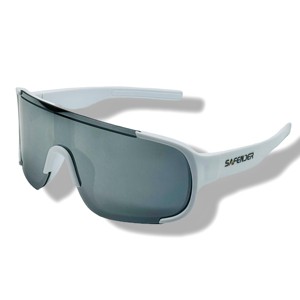

Precision-milled acetate, lightweight surgical-grade TR90 polymers, and certified impact-resistant PC safety frames engineered to European CE standards and ready for international deployment.
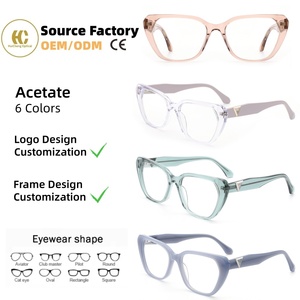

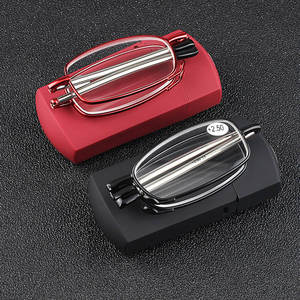

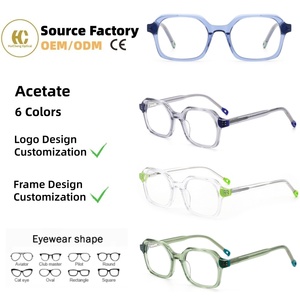
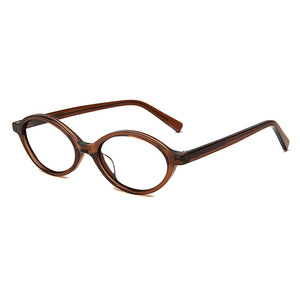
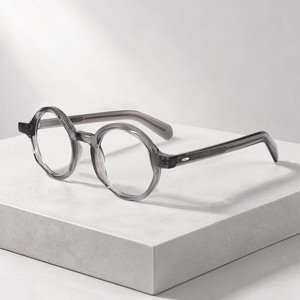
In the contemporary ophthalmic retail ecosystem, sourcing optical frames has evolved from purely cost-driven procurement into a high-stakes balance of regulatory compliance, environmental accountability, material durability, and supply chain transparency. Retail optical chains, regional ophthalmic buying groups, and prescription eyewear distributors across Europe, North America, and the GCC & MENA regions now mandate rigorous third-party auditing, biocompatibility verifications, and quantifiable ESG documentation before onboarding manufacturing partners.
"Sustainable eyewear engineering is no longer limited to superficial branding narratives; it is governed by European Medical Device Regulation (EU MDR 2017/745), international mechanical stress standards (ISO 12870:2016), and consumer demands for non-petrochemical polymers."
As global environmental directives like the EU Corporate Sustainability Due Diligence Directive (CSDDD) and carbon border adjustment mechanisms take effect, optical supply chain leaders must evaluate suppliers through measurable technical criteria rather than commercial generalities. This procurement whitepaper analyzes current raw material innovations, CE compliance benchmarks, future wholesale purchasing trajectories, and the engineering frameworks required to optimize retail shelf sell-through while mitigating supplier risks.
Formulated with plasticizers synthesized from renewable agricultural sources instead of diethyl phthalate (DEP). Bio-acetate delivers an ASTM D6866 certified bio-carbon content exceeding 68%, offering identical optical clarity, cold-bridge stability, and hypoallergenic temple properties.
Engineered from natural castor oil feedstocks, sustainable TR90 and bio-polyamide resins lower greenhouse gas emissions by up to 50% compared to fossil-derived nylon. They provide high flexural memory, extreme impact resilience, and featherweight ergonomics for active and daily optical wear.
Closed-loop titanium and recycled surgical stainless steel alloys combined with recovered ocean polypropylenes. Utilizing energy-efficient cold stamping and physical vapor deposition (PVD) finishes, these frames eliminate toxic galvanic electroplating baths while retaining structural tensile strength.
In the European Union and recognized regulatory jurisdictions, prescription spectacle frames are classified as Class I Medical Devices under Medical Device Regulation (EU) 2017/745 (EU MDR). Affixing the CE mark is not a marketing exercise; it is a legally binding declaration that the optical manufacturer maintains documented Technical Files, an audited Quality Management System (ISO 9001:2015 / ISO 13485:2016), and comprehensive laboratory test reports verifying adherence to EN ISO 12870:2018 (Ophthalmic optics — Spectacle frames — Requirements and test methods).
When auditing sustainable optical factories, institutional buyers must inspect independent accredited laboratory certifications covering the following mechanical, chemical, and biological performance categories:
| Testing Parameter | Normative Standard | Technical Threshold / Criterion | Procurement Risk Mitigated |
|---|---|---|---|
| Nickel Release Testing | EN 16128:2015 / REACH Annex XVII | < 0.5 μg/cm²/week for direct prolonged skin contact | Elimination of allergic contact dermatitis; customs rejection risk |
| Endurance & Flexural Fatigue | ISO 12870 Clause 4.8 / 500 Cycles | Zero fracture, hinge play < 5°, bridge deflection < 5mm | High return rates due to temple breakage during daily optical wear |
| Thermal Stability & Moisture | ISO 12870 Clause 4.6 (60°C ± 2°C) | Zero deformation, no delamination of coatings or acetate core | Frame warping in warm climates (GCC / MENA, Sunbelt markets) |
| Biocompatibility / Cytotoxicity | ISO 10993-5 & ISO 10993-10 | Grade 0 cytotoxicity; non-irritant and non-sensitizing | EU MDR Class I audit failure; skin irritation liabilities |
| Optical Prescription Retention | ISO 12870 Clause 4.4 / Lens Retention | Retention force > 30N across bevel groove channel | Lens popping under temperature expansion or low mechanical shock |
The global optical frames wholesale landscape is experiencing structural shifts driven by algorithmic inventory management, localized inventory buffering, and rising regional optical chain networks. Buyers can no longer rely on single-source annual procurement cycles. Leading optical directors and retail planners are pivoting toward dynamic sourcing models built on four fundamental pillars:
Rather than stocking excessive seasonal references, retail chains maintain a tightly curated foundation of proven silhouettes across TR90, acetate, and metal. These core frames drive consistent sell-through, low warranty returns, and rapid re-order turnarounds.
Modern dispensaries avoid brand cannibalization by organizing displays across non-overlapping tiers: value-focused ultralight daily frames, high-rotation contemporary trend collections, and premium luxury eyewear with distinct regional origin stories.
To eliminate 120-day ocean freight delays and high inventory carrying costs, enterprise optical buyers increasingly partner with suppliers operating central logistical staging centers in duty-free hubs like Dubai (UAE), streamlining GCC, European, and African dispatches.
The technological trajectory of optical frame production is characterized by high-precision digital manufacturing that significantly curtails material waste while achieving micron-level tolerances. Traditional acetate frame production generated up to 60-70% virgin material scrap during subtractive CNC cutting. Today's advanced sustainable manufacturing plants implement closed-loop recycling loops where post-industrial cellulose acetate cuttings are captured, dissolved, repolymerized, and extruded into distinctive tortoise and architectural color blocks without compromising tensile integrity.
Simultaneously, micro-injection molding for bio-polyamide and TR90 compounds utilizes computer-controlled hot-runner systems that reduce plastic waste to near zero. Mold cavities are finished with electrical discharge machining (EDM) to impart precise surface textures that eliminate the need for chemical spraying or solvent-based clear coats. In the hinge assembly phase, integrated five-barrel and seven-barrel friction-controlled barrel assemblies are installed using ultrasonic welding and automated rivet locking, ensuring consistent torque profiles tested up to 20,000 continuous hinge actuations without temple misalignment.

Operating from our Dubai regional headquarters in the United Arab Emirates, Auraview Optical serves as the strategic manufacturing and supply desk for licensed optical stores, chains, and distributors across the UAE, Saudi Arabia, Qatar, Kuwait, Bahrain, Oman, and the wider MENA region.
Key technical, regulatory, and logistics inquiries addressed for optical dispensary operators and distribution executives.
Inquire directly with our commercial partnership desk for digital line sheets, custom OEM/ODM technical specifications, volume wholesale price breaks, and certified sample packages.
Get a Quote