Ultra-Light TR90
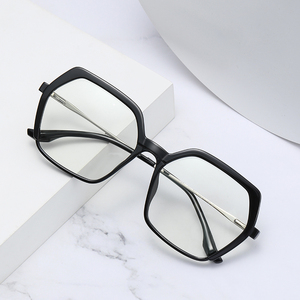

Manufactured under strict ISO 12870 quality thresholds, each model features certified anti-allergic surface treatments, calibrated barrel hinges, and high-elasticity polymers optimized for repeat lab glazing.
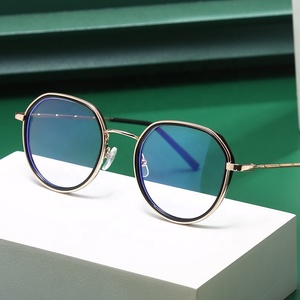
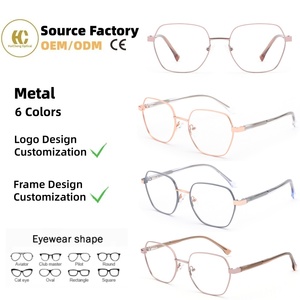
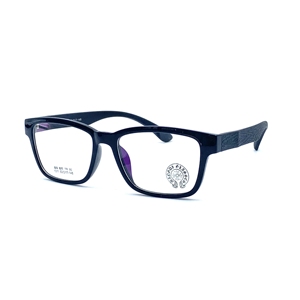
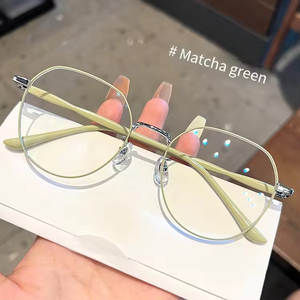
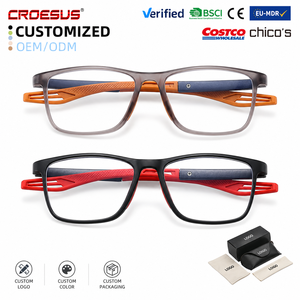
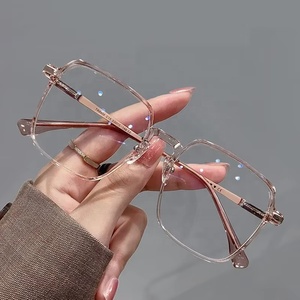
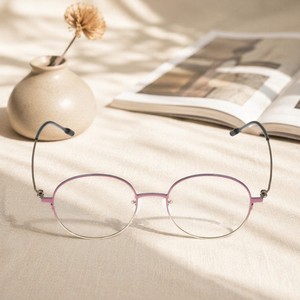
Combining modern industrial manufacturing with export governance to eliminate supply chain volatility and regulatory liabilities across high-compliance optical jurisdictions.
Navigating global optical supply chains requires more than mere fabrication capacity. Our operational infrastructure combines precision manufacturing facilities with specialized trade desks in Dubai and key export terminals, allowing for tariff-optimized clearance and prompt delivery cycles.
We work exclusively on a B2B basis. By serving licensed optical dispensaries, high-volume retail chains, and international distributors, our commercial framework prevents retail-channel friction, providing brand partners with margin predictability, stable batch colorways, and documented regulatory compliance.

Every batch undergo rigorous laboratory testing for nickel release (EN 16128), bridge deformation, temple endurance, and dimensional stability under thermal variations, ensuring seamless retail acceptance across all EU jurisdictions.
From memory-retaining Swiss-grade TR90 polymer granules to high-density cellulose acetates and Japanese grade-1 pure titanium, our manufacturing pathways prevent premature brittleness, skin irritation, and hinge misalignment.
Full CAD engineering and CNC rapid tooling support custom bridge bridges, pantoscopic angle calibrations, micro-laser logo engraving, and bespoke retail packaging suited for regional anthropometric demographic metrics.
A strategic analysis of how shifting regulatory frameworks, circular material imperatives, and smart inventory cycles are reshaping how commercial buyers procure spectacle frames through 2026–2030.
Wholesale buyers are shifting budgets away from low-durability injection plastics toward high-stability polymers and cold-insert acetates. Laboratory automation in centralized optical labs requires consistent bevel grooves, precise groove depth tolerance (within ±0.05mm), and heat-resistant chassis that prevent frame warpage during high-index lens insertion.
Standardized global sizing is obsolete. Corporate procurement teams now require regional fit configurations: low-bridge Asian fit nose pads, wider temporal temple spreads for Middle Eastern markets, and narrower pantoscopic tilts for European demographics. Factories offering modular pad-arm solderings and custom temple lengths gain significant sell-through advantages.
Holding container-scale inventory at regional stores presents heavy working capital risks. Leading procurement departments favor manufacturers with overseas warehouse facilities (such as our Dubai regional hub) that can support split-shipment scheduling, consolidated air-freight replens, and lower Minimum Order Quantities (MOQs) on core colorways.
Analyzing key manufacturing breakthroughs in raw material synthesis, hinge durability, and surface finishing techniques driving next-generation wholesale eyewear collections.
Transitioning from traditional petroleum-derived phthalate plasticizers to bio-cellulose acetates sourced from wood pulp and cotton lint, achieving biodegradability without compromising frame luster or tensile strength.
Eliminating tiny hinge screws prone to loosening. Integrated interlocking cylinder mechanisms and micro-precision spring joints tested over 25,000 continuous opening cycles for lifetime reliability.
Replacing traditional water-electroplating with Physical Vapor Deposition (PVD) vacuum ion plating. Yields a surface hardness up to 4 times higher, resistant to sweat acidity, saltwater corrosion, and skin friction.
Chassis engineering tailored to house micro-circuit pathways and acoustic transducers within the temple arms while preserving standard optical glazing profiles for prescription wearers.
Clear, direct answers regarding certifications, MOQs, lab glazing tolerances, sample trials, and international trade compliance.
All bulk deliveries are accompanied by an official EU Declaration of Conformity (DoC), technical construction files adhering to Medical Device Regulation (EU) 2017/745 for Class I non-sterile devices, and third-party laboratory test summaries verifying EN ISO 12870 mechanical performance and EN 16128 nickel release restrictions.
For ready-to-ship stock items maintained across our distribution centers, the MOQ starts at just 12 to 50 pieces per SKU. For custom OEM/ODM production runs featuring custom acetate laminations, dedicated pantone color matching, or branded core wires, typical MOQs are 300 pieces per model (divided into 2-3 colorways).
Our Quality Assurance team performs automated profile projector evaluations across rim bevel grooves to guarantee a precise V-groove angle (typically 115° to 120°) and uniform rim circumference. This prevents lens pop-out or edge chipping across automated edgers like Essilor, Nidek, and Briot systems.
Yes. We provide curated sample evaluation kits to licensed optical retailers, chain buyers, and distributors. Sample sets include reference cards displaying raw material origin, hinge specifications, sizing vectors (eye-bridge-temple), and finish variations to support complete boardroom review.
In-stock inventory orders ship within 48 to 72 hours via bonded air freight from our central hubs. Custom OEM/ODM manufacturing batches typically require 35 to 55 days depending on material tooling requirements, electroplating depth, and custom printed packaging needs.
We maintain an absolute B2B-only commercial commitment. We never sell directly to consumers, host retail e-commerce channels, or undercut retail partners on digital marketplaces. Our sole business objective is to empower our optical partners to maximize retail sell-through and margin health.
Connect directly with our international commercial accounts team. Receive immediate access to detailed wholesale line sheets, batch lab test records, and custom OEM branding pricing structures.