Partnership desk+971 50 359 50 86
Partner Enquiry Precision-engineered acetate, Swiss-grade TR90, surgical-grade stainless steel, and ergonomic silicone frames manufactured to ISO 12870 quality thresholds and CE/FDA compliance standards.
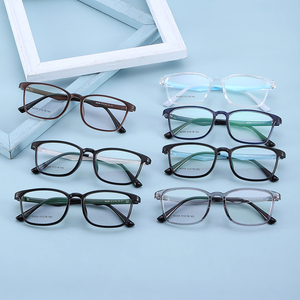
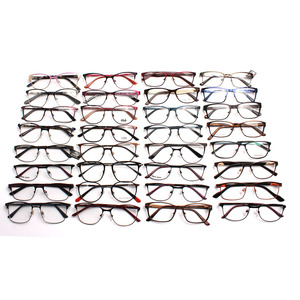
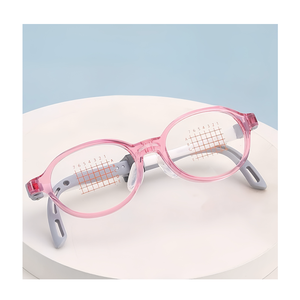
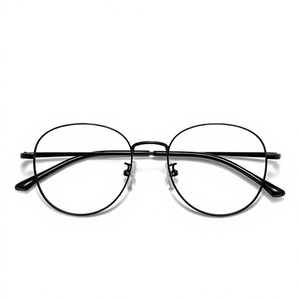
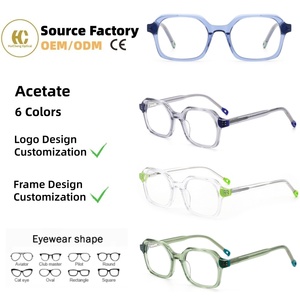
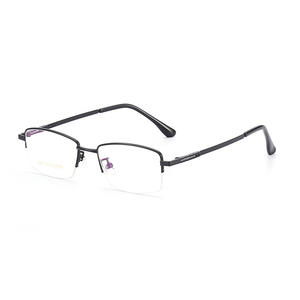
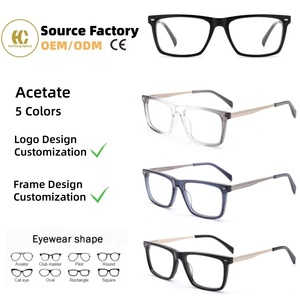
Why modern ophthalmic buyers view the cat eye geometry as a perpetual high-velocity inventory asset rather than a transient retro fad.
In the competitive realm of international prescription optical retail and high-end solar frame distribution, few silhouette families deliver the consistent retail sell-through and margin resilience of cat eye optical frames. Originating as the mid-century "Harlequin" frame engineered to mirror theatrical mask curvatures, the contemporary cat eye has evolved into a masterclass of structural balance, optical ergonomics, and multi-material integration. For global supply chain directors, category managers, and independent optical chains, procuring cat eye frames from tier-one Chinese manufacturing ecosystems requires evaluating not merely aesthetic upward sweeps, but the delicate mechanical equilibrium between facial pantoscopic tilt, vertex distance compensation, temple tensile modulus, and bridge load distribution.
Chinese precision optical manufacturers located within dedicated industrial clusters—specifically across Shenzhen (high-grade Mazzucchelli-compatible cellulose acetate cutting and titanium diffusion bonding), Wenzhou (injection-molded Grilamid TR90, stainless steel components, and flexible silicone), and Danyang (high-speed CNC mass production and surface finishing)—have systematically dismantled historical barriers to high-precision frame exports. Modern cat eye silhouettes no longer rely solely on thick, heavy acetate sheets that cause optical sliding and temporal pinching. Instead, sophisticated suppliers leverage 5-axis CNC machining, ultra-light Swiss EMS TR90 injection, and hybrid beta-titanium wire rim constructions to maintain structural rigidity while drastically lowering overall payload down to 12.8 grams per assembly.
This comprehensive procurement white paper provides enterprise buyers with technical specifications, factory evaluation parameters, material life-cycle analyses, and commercial forecasting models necessary to build an enduring, highly profitable optical catalog.
Standardized metallurgical, chemical, and dimensional benchmarks enforced by premier Chinese optical exporters.
| Component Part | Standard Material Options | Fabrication Process | Inspection Benchmark / Standard |
|---|---|---|---|
| Rim & Browline | Cellulose Acetate (24%-28% Plasticizer) / Swiss TR90 / Monel Alloy | 5-Axis CNC Dry Milling / High-Pressure Hydraulic Micro-Injection | ISO 12870 Dimensional Stability (±0.05mm); Thermal Shrinkage <0.15% |
| Endpiece & Hinge | Lead-Free Cupro-Nickel / Grade 5 Titanium / Stainless Steel 316L | High-Precision OBIS/Visottica Integrated 3-Barrel or 5-Barrel Interlock | EN ISO 12870:2018 Dynamic Cyclic Fatigue Test (≥20,000 actuations) |
| Temples & Cores | Beta-Titanium / Stainless Core-Wire Encapsulated within High-Transparency Acetate | Precision Wire Drawing, Stamping & Laser-Etched Texturing | Spring-Back Elasticity Retention >98% after 30-degree lateral deflection |
| Bridge & Pads | Low-Nickel German Silver / Medical-Grade Silicone / Ergonomic TR90 Saddle | Laser Induction Brazing / Dual-Color Liquid Silicone Rubber (LSR) Overmolding | Drop-ball impact resistance (ANSI Z80.5); 72-Hour Neutral Salt Spray Corrosion <Grade 1 |
| Surface Coating | Eco-Friendly UV Cured Polyurethane / Ion-Plating (IP) Vacuum Deposition | Double Electrostatic Spray Coating / Titanium Nitride Physical Vapor Deposition | Cross-Cut Adhesion Test (ISO 2409 Class 0); Nickel Release <0.28 μg/cm²/week (REACH) |
Utilizing virgin cotton pulp flake formulations cured for 90 days in thermal cycling chambers. Eliminates post-dispensing warpage and maintains brilliant depth in complex tortoiseshell and horn patterns.
Engineered with Grilamid TR90 transparent polyamide, delivering extreme flexural fatigue resistance, thermal stability under regional extreme climates, and skin-neutral hypoallergenicity.
Each cat eye temple-to-front junction is calibrated with an 8° to 11° pantoscopic tilt and a 4° face-form wrap, preserving focal centers for modern progressive and high-index freeform lenses.
Key transformative shifts dictating how international retail chains and private labels structure their manufacturing supply contracts.
The global eyewear landscape is experiencing a paradigm shift driven by digital supply chain integration, regulatory demands for circular sustainability, and structural design revolutions. When procuring cat eye frame inventories from China for multi-season commercial rollout, procurement executives must align their product roadmaps with several defining trends:
1. Bio-Based and Circular Cellulose Innovation: Tier-one European and North American optical groups increasingly demand certifications verifying the reduction of fossil-based phthalates. The new benchmark involves bio-acetate derived from sustainably managed wood cellulose combined with bio-based plasticizers (yielding bio-content exceeding 68% per ASTM D6866). Chinese exporters are providing closed-loop recycling where cutting scraps from CNC milling are collected, re-granulated, and converted into lower-stress internal structural core-wires or accent laminations.
2. Micro-Cat Eye & Geometric Sharp-Edged Profiles: Traditional soft, voluptuous mid-century rounds are sharing shelf allocation with high-definition, geometric micro-cat eye silhouettes. These feature bevel-cut top brows, architectural chamfering, and sharp corner facets achieved via diamond-tipped milling cutters running at 30,000 RPM. These modern styles provide distinct retail contrast, attracting Generation Z and professional female demographics looking for statement pieces.
3. Hybrid Structural Composites: To overcome the weight constraints of bold silhouettes, premium manufacturers are combining 0.8mm surgical stainless steel interior skeleton rings with ultra-thin acetate veneer clips. This provides the distinct aesthetic depth of a full acetate cat eye while retaining the featherlight 14g nose bridge ergonomics of rimless or half-eye designs.
4. Agile MOQ Models & Regional Distribution Hubs: To hedge against high inventory carrying costs, smart procurement managers are partnering with integrated suppliers who offer modular private labeling. Utilizing neutral stock assemblies stored in regional consolidation free-zones (such as Dubai, Hong Kong, or Ningbo), enterprise buyers can execute customized laser-branding, pad printing, and custom packaging runs in batches as low as 100 units per colorway, drastically accelerating inventory velocity.
Decades of manufacturing consolidation, supply chain depth, and certified B2B export workflows.
From initial hand sketches and 2D mechanical rendering to 3D resin SLA rapid prototyping within 72 hours, tooling mold creation, color masterbatch matching, and retail-ready packaging execution.
Every batch undergoes rigid multi-stage verification: raw material chemical safety checks, 100% optical alignment audits, screw torque holding verification (minimum 0.35 N·m), and final ultrasonic cleaning.
We operate strictly as a wholesale B2B manufacturer and exporter. We never sell directly to consumers, preventing marketplace friction and safeguarding retail margins for licensed optical shops and regional distributors.
Direct answers addressing technical hurdles, compliance documentation, minimums, and commercial logistics.
Direct factory prices, certified European quality management, and dedicated export account managers ready to tailor your next optical collection.