
Partnership desk+971 50 359 50 86
Partner Enquiry As the international eyewear landscape transitions toward bio-circular polymers, ergonomic memory alloys, and compressed collection lifecycle times, optical wholesalers and clinical chains require more than just catalog brokers. They need factory-direct manufacturing partnerships backed by structural metallurgical testing, precision Swiss TR90 compounding, Italian Mazzucchelli-grade acetate curing, and dependable multi-regional logistics corridors.
Each model has been engineered to satisfy international retail standards, combining structural integrity with contemporary aesthetic demand. Discover our high-velocity stock and customizable private-label optical frames below.
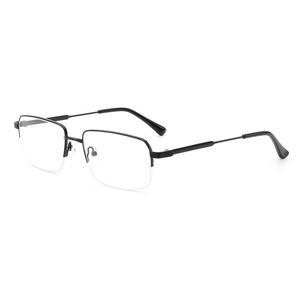
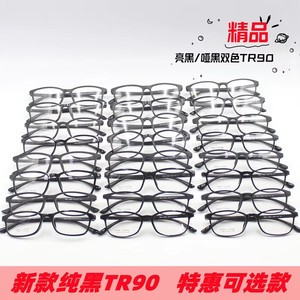
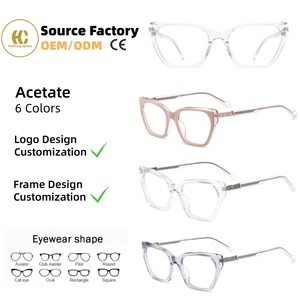

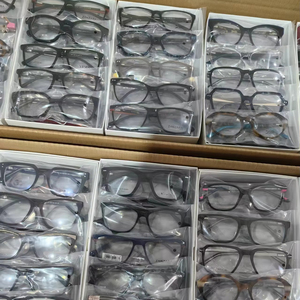
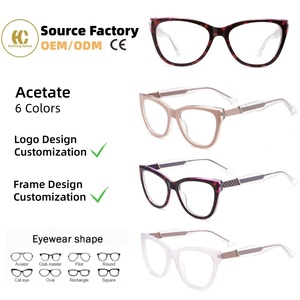
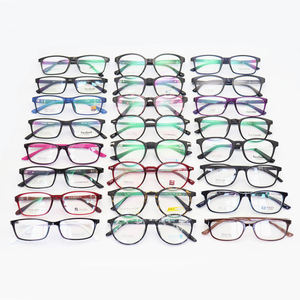
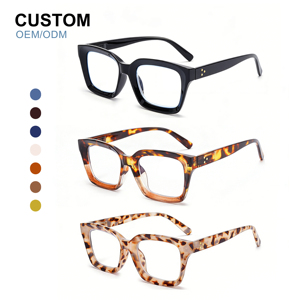
Sourcing optical frames from China has evolved radically beyond simplistic price-per-unit metrics. Leading international brands and regional wholesale distributors now assess Chinese manufacturing hubs based on chemical polymer purity, metallurgical composition, and robotic CNC tight-tolerance tooling. Optical frames must withstand hundreds of thermal cycles, daily frame manipulation by opticians during prescription glazing, and consistent mechanical stress across their temple hinge anchors.
In high-grade spectacle manufacturing, cellulose acetate production relies on raw cotton-linter flakes combined with eco-conscious plasticizers rather than cheap petroleum-derived nitrates. The resulting acetate blocks undergo kiln curing for a minimum of 45 to 60 days to eliminate internal volatile compounds. This curing step prevents post-production shrinkage, frame warpage, and premature hinge loosening—critical pain points frequently encountered when sourcing from lower-tier suppliers.
Utilizing virgin EMS polyamide granules ensures extreme flexural fatigue resistance, thermal stabilization up to 80°C, and complete zero-toxicity biocompatibility. The frames return immediately to their calibrated curvature even after extreme 180-degree lateral torsional deformation.
Engineered for featherweight luxury collections, our Beta-Titanium temples utilize an exact balance of Vanadium and Aluminum to yield super-elastic properties. Laser-welded under inert Argon gas chambers, bridge connections demonstrate tensile break strengths exceeding 650 MPa.
Replacing traditional liquid dip coatings, Physical Vapor Deposition (PVD) bonds micron-thin zirconium and titanium nitride matrices directly to the metal alloy core. This surface finish survives 72-hour salt-fog exposure and human sebum abrasion without peeling or tarnishing.
Understanding the operational parameters of optical frame materials allows commercial inventory planners to balance unit procurement cost with end-consumer price ceilings and clinical glazing performance:
| Material Class | Specific Gravity | Glazing Adjustability | Tensile Flexibility | Corrosion Resistance | Optimal Retail Tier |
|---|---|---|---|---|---|
| Cured Cellulose Acetate | 1.28 – 1.32 g/cm³ | High (Requires Frame Warmer) | Moderate (Core wire required) | Excellent (Immune to oxidation) | Mid-to-High Boutique Luxury |
| Grilamid TR90 Polyamide | 1.00 – 1.04 g/cm³ | Moderate (Cold snap-in lenses) | Exceptional (High elastic memory) | Total Chemical Inertness | Everyday Optical & Active Sports |
| Beta-Titanium (β-Ti) | 4.50 – 4.70 g/cm³ | High (Cold-bend pliers) | Maximum Spring Deflection | Impervious to Sea Salt/Sweat | High-End Executive & Minimalist |
| Stainless Steel (SUS304/316) | 7.85 – 8.00 g/cm³ | Excellent (Easy screw tensioning) | Rigid Structural Profile | High (Dependent on PVD layer) | Commercial Volume & Fast Fashion |
| Polyetherimide (Ultem/PEI) | 1.27 g/cm³ | Low (Precision lens beveling needed) | Extreme Heat Deflection (170°C) | Absolute Chemical Resistance | Clinical Medical & Rimless Eyewear |
The international optical trade is undergoing a structural paradigm shift driven by digital inventory management, strict environmental compliance mandates in Western and GCC jurisdictions, and the miniaturization of smart electronic hardware. Frame importers relying on outdated supplier engagement protocols risk margin compression, dead-stock accumulation, and customs friction.
Regulatory frameworks such as the EU Corporate Sustainability Due Diligence Directive (CSDDD) and escalating green import criteria across the GCC are penalizing petroleum-based phthalate plasticizers. Bio-based cellulose acetate (derived from sustainably harvested wood pulp and cotton lint with plant-based plasticizers) is rapidly moving from a luxury niche to a mandatory baseline. Forward-thinking Chinese manufacturing facilities have achieved ISO 14067 carbon footprint certifications and ISO 14855 industrial compostability standards, allowing distributors to provide legitimate eco-label credentials to high-street opticians.
The classic model of exporting slow container loads directly from coastal Chinese factories to decentralized worldwide destinations is being superseded by modern agile hub systems. Leading suppliers now coordinate manufacturing directly between automated industrial facilities in Shenzhen/Wenzhou and strategic free-zone commercial distribution desks in locations such as Dubai (United Arab Emirates). This operational structure provides optical retailers with shorter lead times, local currency billing, and localized replenishment of fast-moving SKU colorways without incurring the 90-day lead-time penalties of traditional ocean freight.
With smart eyewear incorporating micro-speakers, open-ear acoustic transducers, and bone-conduction components gaining retail traction, physical frame design must evolve. The next wave of optical frames features hollow-core temple channels, reinforced rim-lock screw housings, and modular hinge enclosures designed to house printed circuit boards (PCBs) and micro-batteries without sacrificing the classic silhouette or comfort balance demanded by prescription lens wearers.
Navigating hundreds of trading agencies in coastal China can lead to inconsistent batch quality, undisclosed subcontracting, and unpredictable delivery schedules. Our manufacturing ecosystem integrates direct production authority with international commercial oversight, providing an uncompromised B2B supply experience.
Every batch undergoes automated dimensional coordinate inspection, hinge torque testing, and mechanical bridge fatigue analysis before export clearance. Our defect tolerance is held below 0.3%.
From custom 3D parametric CAD rendering and rapid SLA prototyping within 48 hours to proprietary private mold tooling, we help brands establish distinct proprietary intellectual property.
Coordinated alongside regional hubs like Dubai for rapid Middle East, European, and African replenishment, bridging raw Chinese production output with world-class logistics convenience.
Our facilities maintain active registrations with the U.S. FDA, European MDR 2017/745 (CE conformity), and ISO 13485 (Medical Devices Quality Management). Furthermore, our internal testing lab is outfitted with genuine Charpy impact testers, custom hinge cycling rigs, spectrophotometers for precision acetate dye lot consistency, and artificial sweat testing chambers. We ensure every wholesale container arriving at your warehouse matches the structural and tactile feel of your signed gold master sample.
Clear, direct answers regarding minimum order quantities, manufacturing lead times, customization capabilities, and compliance standards.