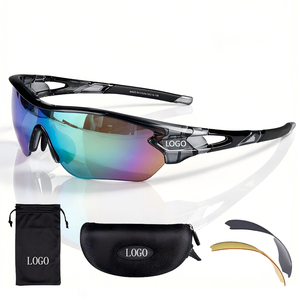
 Ergonomic Dynamic

Partnership desk+971 50 359 50 86
Partner Enquiry As consumer visual ergonomics shift drastically with multi-screen lifestyles and prolonged micro-distance device usage, global procurement criteria for reading glasses and prescription frames have evolved. Importers, clinical optical chains, and brand distributors require superior dimensional tolerances, medical-grade skin biocompatibility, blue-light attenuated diopters, and resilient structural memory. This comprehensive technical report breaks down high-yield product selections, dynamic factory procurement trends, compliance standards, and supply chain scalability.
Ergonomic Dynamic
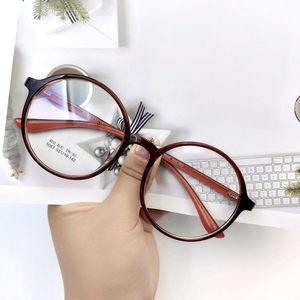 Medical Polymer
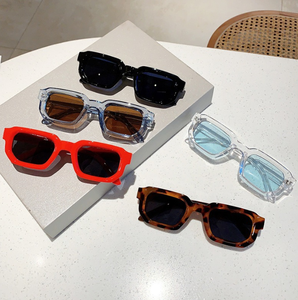 Fast-Turn Retail
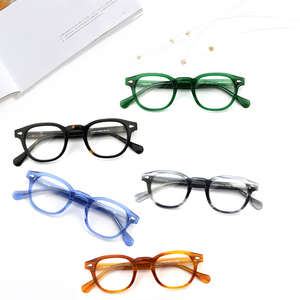 Artisan Acetate
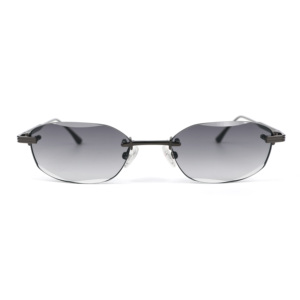 Boutique Luxury
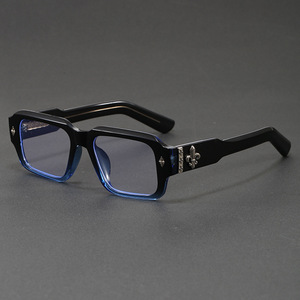 Blue Filtration
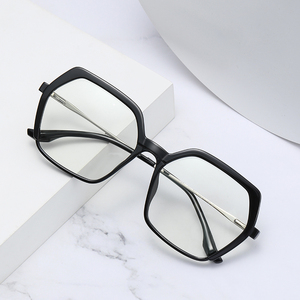 Ultralight Geometry
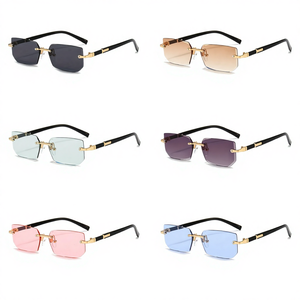 Frameless Minimal
Founded on rigorous production standards and comprehensive engineering mastery, our manufacturing facilities and global distribution hubs provide an integrated B2B bridge between high-precision Chinese manufacturing clusters (Wenzhou, Danyang, and Shenzhen) and overseas optical retail chains. Having established deep logistical nodes encompassing regional trade corridors across North America, Europe, and the Middle East, our partnership desk streamlines high-volume frame orders with institutional precision.
Unlike conventional low-tier suppliers who operate on fragmented production runs, our facility pairs automated CNC frame cutting, 5-axis robotic tumbling, and German multi-layer anti-reflective dipping with artisan hand-finishing. We maintain strict compliance with ISO 12870 (Ophthalmic Optics - Spectacle Frames), CE MDR Class I medical device regulations, and US FDA requirements for impact resistance (21 CFR 801.410 Drop Ball Testing).
Frames utilize medical-grade Swiss EMS TR90 polyamides and eco-friendly organic cotton-based acetate (celluloid sheets) free from phthalates, volatile plasticizers, and toxic nickel emissions.
Lenses feature progressive and single-vision surfacing calibrated to within ±0.03 diopters, ensuring optical centers precisely correspond with interpupillary distance (IPD) requirements.
Full CAD/CAM prototype cycles turned around within 7 business days, supporting laser engraving, pad-printed temples, customized core wire designs, and certified retail packaging.
The wholesale procurement paradigm for reading eyewear has broken away from low-cost impulse rack goods toward clinically reliable, multi-functional wellness devices. Category managers must structure their 2026–2030 product roadmaps against distinct market currents:
Traditional monofocal reading glasses (+1.00D to +3.50D) are rapidly losing shelf-share to multi-focal and computer readers. Modern computer vision syndrome requires readers equipped with substrate-tinted blue light protection (absorbing 400nm–455nm high-energy visible violet light) paired with progressive corridor channels. This allows wearers to shift smoothly between smartphone reading distances (33cm), desktop workstation monitors (60cm), and intermediate conversational ranges without inducing neck strain.
Procurement managers are shifting SKU balances toward Grilamid TR90, Beta-Titanium, and Ultem (PEI). Traditional acrylic or low-grade injection plastic frames often suffer cold brittleness, high frame weight (>28g), and temple hinge loosening. High-grade polymer frames offer a structural tare weight of under 12 grams, yielding higher customer satisfaction, reduced return rates, and lower per-unit international freight charges.
North American and European optical chains are actively auditing Tier-1 Chinese suppliers for REACH compliance (EC 1907/2006), RoHS verification, and circular packaging. Certified biodegradable acetate—which decomposes within 180 days under industrial composting conditions—alongside recycled ocean plastics (rPET) are moving from niche luxury segments into standardized wholesale requirements.
| Frame Material Category | Tensile Strength (MPa) | Average Frame Weight (g) | Flexibility & Recovery | Target Market Positioning |
|---|---|---|---|---|
| Swiss Grilamid TR90 | 85 - 110 | 9.5g - 13.0g | High Elastic Memory (Bendable) | Everyday Ergonomics, Active Seniors, Digital Work |
| Custom Bio-Acetate (Mazzucchelli Grade) | 65 - 85 | 22.0g - 29.5g | Rigid / Heat Formable Core Wire | Designer Boutiques, High-End Independent Optometry |
| Beta-Titanium Alloy | 1,150 - 1,300 | 6.8g - 9.2g | Exceptional Spring Deflection | Executive Minimalist, Clinical Hypoallergenic Lines |
| Optical Grade Polycarbonate (PC) | 55 - 75 | 16.0g - 21.0g | Moderate / Prone to Stress Cracking | High-Volume Promotional, Fast-Fashion Retail Chains |
China’s optical industrial base is moving beyond manual bench assembly toward automated, computer-integrated manufacturing. Leading reading glasses factories integrate sub-micron diamond lathe tooling to mold aspheric lenses directly into frame chassis. This structural evolution addresses three long-standing pain points:
Aspheric lens geometry eliminates the spherical aberrations and "bug-eye" magnification inherent to traditional +3.00D lenses, yielding slim, edge-to-edge optical fidelity.
Automated Physical Vapor Deposition (PVD) chambers apply 16-layer vacuum green/blue anti-reflective coatings alongside oleophobic seals to minimize smudging and dust adhesion.
Reinforced barrel assemblies and integrated stainless steel micro-spring mechanisms undergo 25,000-cycle open-close fatigue stress testing to guarantee long-term retention.
Essential technical, compliance, and ordering parameters clarified for supply chain officers and wholesale buyers.
Partner directly with an established optical frame manufacturer. Contact our wholesale export desk today to request wholesale line sheets, schedule sample inspections, or initiate custom OEM prototype development.
Send an Inquiry