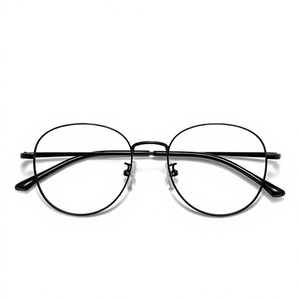
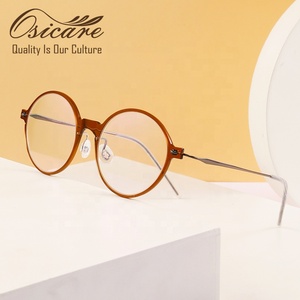
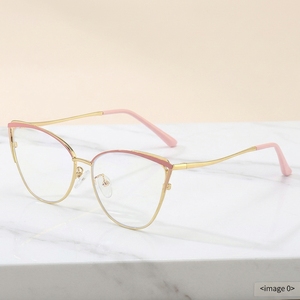
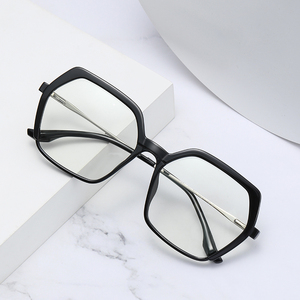
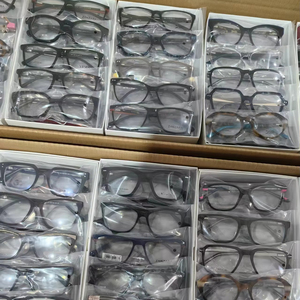
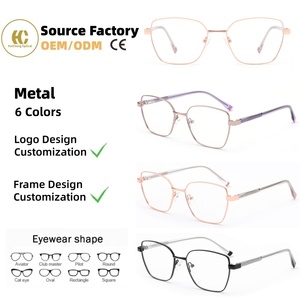
China Wholesale Acetate Optical Frames Factories & Supplier
Global OEM/ODM manufacturing standards, material curing science, regional optical chain distribution architecture, and comprehensive sell-through strategies for premium prescription eyewear.
Wholesale Assortments
High-Rotation Optical Frames & Sunglasses
Engineered for high-volume optical retail stores, clinic dispensary walls, and regional distribution networks. Standardized five-barrel hinges, premium organic cellulose acetate, and ergonomic bridge profiles.
Industrial Clusters & Acetate Material Metallurgy: Shenzhen vs. Wenzhou vs. Danyang
In global eyewear engineering, China accounts for over 70% of optical frame manufacturing output, stratified across three key geographic clusters with distinct manufacturing competencies. Shenzhen (specifically the Henggang and Pingshan districts) operates as the high-end epicentre for luxury and boutique eyewear production, specializing in CNC milling of high-density extruded cellulose acetate sheets from premium producers such as Mazzucchelli 1849, Jimei, and Jin-yu. Optical buyers targeting independent optometrists and luxury boutiques consistently rely on Shenzhen's specialized five-axis CNC equipment and multi-stage manual hand-polishing ecosystems to achieve jewel-grade beveling, seamless lamination, and wire-core shooting precision.
Conversely, the Wenzhou cluster (centered around Ouhai) represents the world's most consolidated supply chain for high-volume, mid-tier private label collections, leveraging automated injection-molded TR90, hybrid stainless-steel acetate assemblies, and rapid production turns. Danyang, while historically renowned as the global capital for ophthalmic lens surfacing, has rapidly integrated state-of-the-art frame-fitting factories designed to provide turnkey assembled optical units (frames pre-glazed with demo or stock anti-blue/polycarbonate lenses). Sourcing directors must recognize that selecting the right Chinese manufacturing partner requires calibrating frame complexity, minimum order quantity (MOQ) elasticity, and tooling tolerances against these distinct regional manufacturing footprints.
Cellulose Acetate Curing Protocol: True optical-grade cellulose acetate is an organic polymer synthesized from natural cotton linters and sustainable wood pulp, plasticized with diethyl phthalate. Premium Chinese factories maintain temperature- and humidity-controlled drying ovens where rough-cut sheets cure for 60 to 90 days. This degassing phase expels residual volatile solvents, preventing temple warping, shrinkage around the lens eyewire, and hinge-pocket loosening once the finished frames enter GCC and European retail markets with severe seasonal ambient temperature fluctuations.
The manufacturing journey of an acetate frame involves over 150 distinct operations. After CNC cutting of the front eyewire and temple profiles, components undergo three-stage dry and wet barrel tumbling. Wooden tumbling barrels loaded with graded pumice stones, birch wood cubes, and vegetable-oil-impregnated walnut shells rotate for 72 to 96 consecutive hours. This organic abrasive tumbling removes micro-burrs and CNC tool marks, imparting an enduring mirror gloss that injection-molded plastics or cheap propionate frames can never emulate.
Market Intelligence
Future Sourcing & Procurement Trends (2025–2030)
How global trade dynamics, material sustainability regulations, and algorithmic retail inventory models are reshaping international wholesale optical agreements.
Circular Bio-Acetate Dominance
Strict European REACH regulations and American FTC guidelines are accelerating the transition toward bio-based, biodegradable cellulose acetate. Modern procurement contracts prioritize acetate plasticized with bio-derived esters rather than fossil phthalates, achieving ISO 14855 industrial compostability within 115 days without compromising dimensional stability or vibrant tortoise-shell depth.
Micro-Batch Inventory Replenishment
Optical chain executives are abandoning monolithic once-a-year purchase orders in favor of agile 60-day capsule drops. Progressive Chinese manufacturers now offer modular tooling setups and pre-cured acetate sheet banks, allowing wholesale clients to launch pilot runs of 300 pieces per SKU before committing to 3,000-unit replenishment programs, significantly reducing retail inventory drag.
Hybrid Material Architecture
Future high-end collections increasingly merge lightweight aerospace-grade Japanese beta-titanium with multi-laminated Italian or Chinese high-density acetate. This hybrid architecture eliminates heavyweight nasal pressure while retaining bold sculptural front visual weight, addressing consumer demand for day-long ergonomics and blue-light screen-work functionality.
Material Science Specification
Engineering Audit: Acetate vs. Alternative Optical Substrates
Critical mechanical and physiological parameters evaluated by institutional optical buyers and laboratory quality assurance engineers.
Substrate Material
Specific Gravity (g/cm³)
Cold Glazing & Rx Heating
Hypoallergenic Index
Surface Polishing Depth
Ideal Shelf Tiering
Cured Cellulose Acetate
1.28 – 1.32
Excellent (Softens at 65°C - 75°C)
99.4% Bio-Safe
Deep 3D luster; repolishable
Mid-to-Luxury ($90 - $350+)
TR90 Grilamid (Nylon)
1.02 – 1.05
Requires cold snap-in or gentle heat
100% Medical Grade
Matte or spray coated
Sport / High-Rotation Value
Injection Polycarbonate (PC)
1.20 – 1.24
Poor (High risk of stress fracture)
Moderate (Prone to sweat wear)
Varnish dependent; unpolishable
Promotional / Fast Fashion
Pure / Beta Titanium
4.50 – 4.54
Mechanical screw barrel lock
100% Biocompatible
Anodized or PVD Vacuum Plated
Executive / Ultralight Premium
Structural Shifts in Retail Optometry: The GCC, MENA, and Western Market Vectors
The global retail optical landscape has bifurcated into two distinct operational paradigms: fast-fashion automated dispensing versus consultative clinical optometry. In dynamic high-growth regions like the United Arab Emirates, Saudi Arabia, and the broader Gulf Cooperation Council (GCC), optical consumers demonstrate unprecedented brand discernment combined with distinct anatomical fit requirements. Elevated nasal bridges, alternative-fit nose pads, and expanded eye sizes (54mm to 58mm) are critical design adaptations demanded by Gulf demographics, requiring suppliers to tune bridge angles (splay angles of 25°–30° and pantoscopic tilts between 8°–10°).
Simultaneously, retail optometry chains are actively de-risking their supply chains by consolidating manufacturing partnerships. Rather than navigating fragmented brokers, institutional buyers seek comprehensive turnkey providers that offer unified design, prototyping, compliance documentation (CE Marking, FDA Registration, ISO 12870 certification), and strategic warehousing coordination. By deploying localized regional hubs—such as Auraview Optical's dedicated wholesale and partnership desk located in Deira, Dubai—retailers eliminate 4-to-6 week sea-freight delays, unlocking on-demand sample viewing and rapid carton-level replenishment directly aligned with regional shopping calendars and Ramadan/Eid retail peaks.
Operational Discipline
Turnkey OEM/ODM Optical Sourcing Framework
A systematic four-phase manufacturing and quality-control roadmap engineered to safeguard institutional wholesale capital.
01
Technical CAD & 3D Prototyping
Initial design concepts are converted into millimetric 2D engineering blueprints and functional 3D resin printed models to evaluate face contouring, lens bevel depth, and vertex distance before tooling steel dies.
02
Material Aging & CNC Milling
Certified cellulose sheets undergo 60-day stabilization ovens. Five-axis high-speed CNC routers shape front rims and temple arms with precision tolerances of ±0.05mm, ensuring repeatable lens sizing.
03
Wire-Core Shooting & Polishing
Stainless steel reinforced core wires are pneumatic-driven into heated acetate temples. Components then enter 72-hour multi-stage organic barrel polishing, followed by delicate artisan hand-buffing.
04
Batch QA & Cleanroom Packaging
Every lot undergoes 20,000-cycle bridge fatigue testing, nickel release spectrometry, and temple hinge opening resistance checks prior to ultrasonic cleaning, anti-static polybagging, and international export.
Why Regional Optical Chains Partner With Us
Unlike conventional trading brokers or unverified marketplace vendors, our organization operates with strict B2B institutional discipline. Coordinated through our central regional hub in Dubai alongside world-class manufacturing plants in China, we protect your profit margins and eliminate showroom stocking friction.
Absolute B2B Trade Protection: We never sell directly to consumers. We operate exclusively to empower licensed opticians, hospital dispensaries, and regional wholesalers.
Sample-to-Bulk Matching Guarantee: Strict batch-to-sample consistency controls guarantee that the delivery cartons match the approved gold sample down to 0.05mm lens groove depth.
Rapid Replenishment from Dubai Hub: Strategic warehouse buffers reduce lead times across UAE, Saudi Arabia, Qatar, Kuwait, Bahrain, and Oman from months to days.
Initiate Sourcing Consultation
Request confidential line sheets, material compliance dossiers, wholesale price tiers, and private-label customization minimums from our international optical desk.
Technical, regulatory, and supply chain answers compiled by optical engineers for purchasing managers and commercial directors.
What distinguishes premium cellulose acetate from injection-molded CP or TR90 frames?
Cellulose acetate is a non-petroleum organic plant-derived polymer cut from cured solid sheets via CNC milling, preserving continuous long-chain molecular integrity. This enables deep three-dimensional color patterns (such as rich tortoise shell, layered crystal hues, and marble striations) that penetrate the entire depth of the frame. Crucially for optometrists, acetate possesses thermoplastic memory: upon gentle warming in a frame heater (approx. 65°C to 75°C), opticians can custom-bend temples, adjust pantoscopic tilt, and contour bridge fits to patient facial anatomy without structural fatigue. In contrast, injection CP (cellulose propionate) or basic plastics are brittle, prone to stress fractures during lens insertion, and deteriorate rapidly when exposed to skin oils and perspiration.
How do your factories ensure consistency between approved pre-production samples and bulk orders?
We employ a closed-loop Golden Sample Protocol. Once a pre-production sample is verified and countersigned by the buyer, identical physical samples are cataloged in our Dubai quality archives and our Shenzhen production center. Bulk sheet batches undergo spectrophotometer colorimeter testing to ensure color delta E values stay within strict optical tolerances (ΔE < 0.8). During CNC milling, automated optical coordinate measuring machines (CMM) inspect eyewire dimensions and groove angles every 50 pieces. Finally, three units from each carton are dry-glazed with prescription lenses to ensure exact circumferential bevel seating prior to shipment sealing.
What compliance certifications are supplied for European, North American, and GCC customs clearance?
All frames supplied through our manufacturing networks comply fully with ISO 12870 (Ophthalmic optics – Spectacle frames – General requirements and test methods). We furnish comprehensive third-party lab documentation (SGS/Intertek) verifying zero nickel release across metal components according to EN 16128, non-toxicity under European REACH Annex XVII regulations, CE medical device class I self-declarations according to EU MDR 2017/745, and US FDA device listings (21 CFR 801.410 drop-ball impact test compliance). For Gulf markets, products meet SASO/MoH optical retail import regulations.
What are the standard private-label customization options and Minimum Order Quantities (MOQs)?
For existing, in-tooling catalog models, custom laser temple engraving, inner temple pad-printing, and custom branded hard cases feature an entry MOQ of only 100 to 300 pieces per style across 2-3 standard colorways. For bespoke OEM collections requiring exclusive CNC cutting programs, proprietary color lamination, or custom metal core-wire stampings, MOQs typically begin at 500 to 1,200 pieces per shape. Prototyping lead times for custom acetate samples average 15 to 21 working days, with mass production runs completing in 45 to 60 days following sample sign-off.
How does your Dubai partnership desk optimize logistics for GCC and Middle Eastern optical retailers?
Located in Deira, Dubai, our partnership center acts as an operational bridge between our advanced Asian manufacturing facilities and Gulf optical enterprises. Optical retail chains in the UAE, Saudi Arabia, Oman, Qatar, Bahrain, and Kuwait can review physical sample line sheets within their exact local time zone, conduct bilingual Arabic/English commercial negotiations, and access bonded regional stock buffers. This structure eliminates currency transfer barriers, reduces shipping times for replenishment orders to 48-72 hours within the GCC, and protects buyers against unvetted overseas factory non-performance.
Empowering Optical Retailing
Transform Your Optical Retail Wall Into a High-Margin Engine
Connect directly with our international optical engineers and regional commercial directors. Review complete line sheets, request physical sample verification kits, or discuss custom OEM acetate production parameters today.