TR90 Hybrid
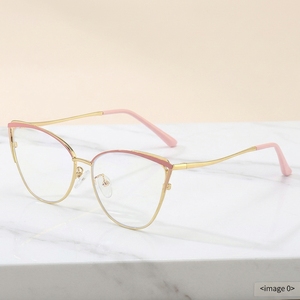
Classic Anti-blue Light Cat-Eye Optical Glasses Frame With Spring Hinges Unisex Wholesale Customizable Logo Durable
Spring Hinge
Blue Light Filter
Custom Logo

Precision-engineered, ready-to-scale optical frames engineered with premium Swiss EMS TR90, impact-tested PC, and medical-grade polymers with full customization support for private-label logos, surface finishes, and temple geometries.
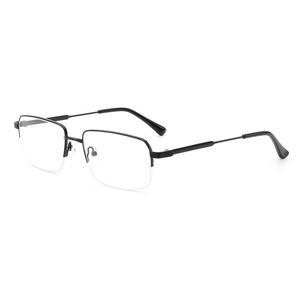
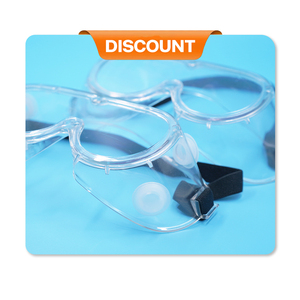
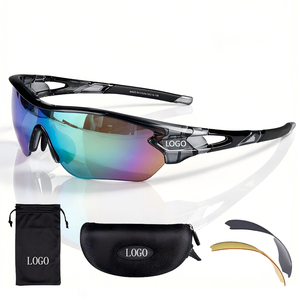
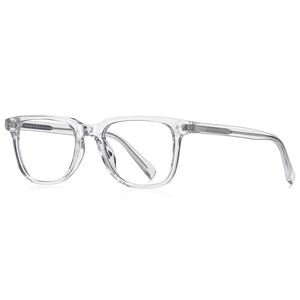

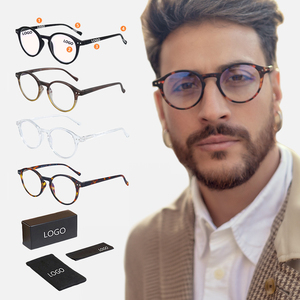
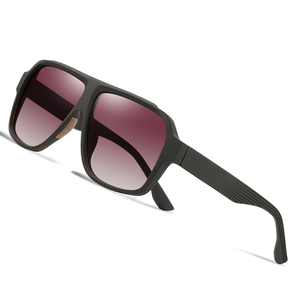
Thermoplastic Polyamide TR90—originally synthesized by Swiss chemical pioneer EMS-GRIVORY under the Grilamid TR® series—has fundamentally transformed ophthalmic frame engineering. Unlike standard cellulose propionate (CP) or conventional polyamides, genuine TR90 features an amorphous, transparent polymer structure with a high glass transition temperature (Tg > 155°C) and an exceptionally low specific gravity of approximately 1.00 g/cm³.
For optical retail chains and OEM procurement managers, the primary commercial metric is in-store return mitigation. Standard injection molded frames suffer from stress cracking caused by alcohol-based cleaning agents, environmental UV degradation, and uneven frame groove shrinkage during manual lab edging. Our custom OEM manufacturing process uses virgin Grilamid TR90 resin compounded with specialized UV-absorbers and anti-hydrolysis agents, guaranteeing superior shape memory resilience and flexural fatigue resistance under prolonged cyclic loading.
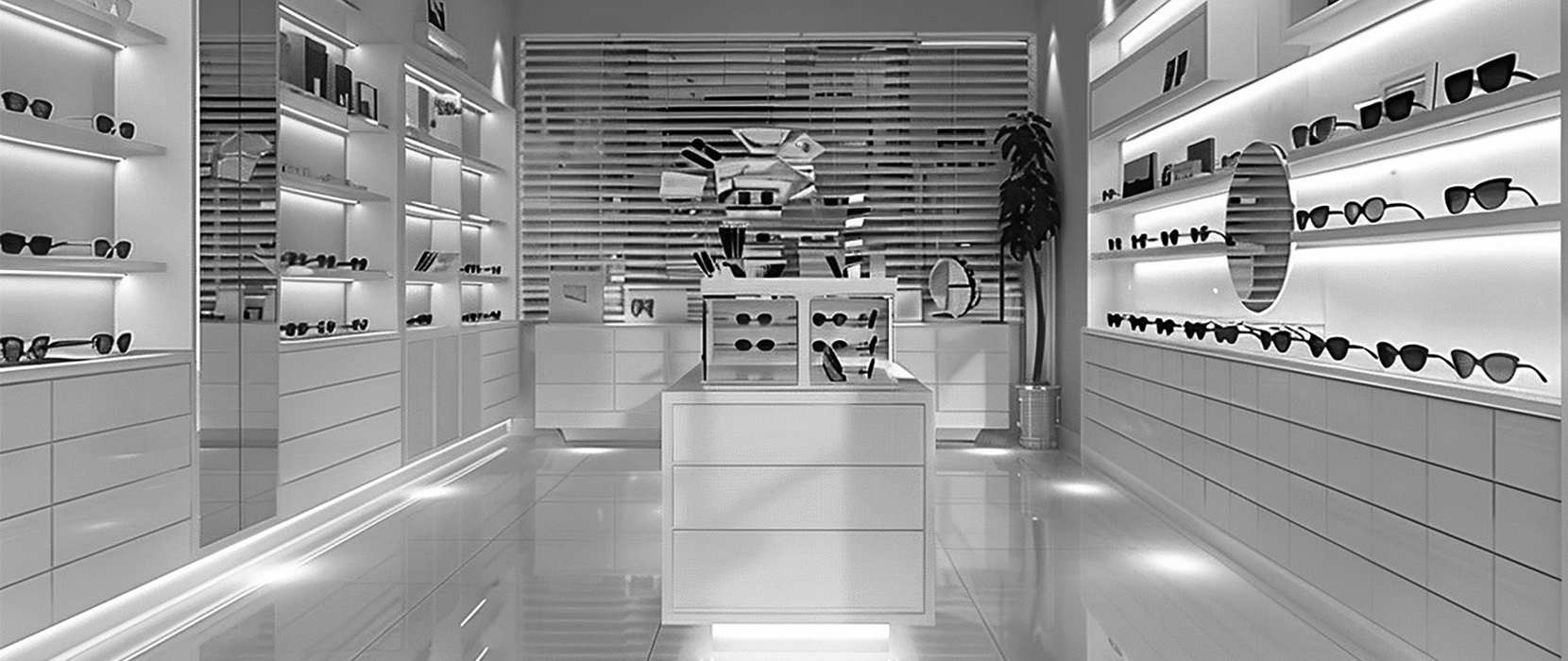
Data-backed comparison demonstrating why TR90 homopolyamide outclasses cellulose acetate, CP, and polycarbonate in prescription eyewear applications.
| Technical Characteristic | Swiss Virgin TR90 (Grilamid) | Cellulose Acetate | Cellulose Propionate (CP) | Standard Polycarbonate (PC) |
|---|---|---|---|---|
| Specific Gravity (Density) | 1.00 - 1.02 g/cm³ (Featherweight) | 1.28 - 1.32 g/cm³ | 1.18 - 1.22 g/cm³ | 1.20 - 1.25 g/cm³ |
| Elastic Memory & Flex Recovery | > 98% after 180° cyclic flexion | Poor (Requires core wire & heat) | Moderate (Prone to fatigue) | Brittle under extreme tension |
| Heat Deflection Temp (0.45 MPa) | 135°C - 150°C | 65°C - 75°C | 75°C - 85°C | 130°C - 140°C |
| Chemical / Solvent Resistance | Superior (Resists sweat/alcohol) | Susceptible to acetone/alcohols | Moderate solvent sensitivity | Vulnerable to aromatic esters |
| Optical Lab Glazing Method | Cold Glazing (No heat distortion) | Warm air frame heater required | Moderate heat heating required | Snap-in / High tension risk |
| Hinge Anchoring Technology | Ultrasonic Core / Twin-Pin Insert | Traditional Riveted / Heat-stake | Heat-sink embedded hinge | Integrated molded pin / screws |
How global optical retail groups, buying syndicates, and OEM brand directors are restructuring their product portfolios and supply agreements through 2026-2030.
Retail chains are moving away from massive, slow-moving acetate catalogs toward lean, high-velocity TR90 collections. By procuring ergonomic core models that suit multiple pupillary distance (PD) ranges, optical shops increase sell-through speed by 35% while slashing inventory capital lockup.
Supply chain shocks have made multi-month Asian maritime transit times unacceptable for urgent frame replenishment. Institutional buyers increasingly demand hybrid arrangements: large-scale tool manufacturing backed by strategic regional inventory hubs in key logistical junctions like Dubai.
Regulatory mandates (including EU Corporate Sustainability Due Diligence) are accelerating the demand for eco-friendly performance polymers. OEM factories are pivoting toward bio-based polyamides synthesized from renewable castor bean oil (e.g., Arkema Rilsan® Clear or Evonik TROGAMID®).
How automated tooling, co-molding metallurgy, and surface nanotechnology are redefining the limits of performance injection eyewear.
Modern sports and high-comfort optical frames eliminate screw-fastened nose pads and glued rubber tips. Two-component (2K) robotic injection fuses rigid TR90 structural skeletons directly with medical-grade Thermoplastic Elastomers (TPE) or liquid silicone rubber (LSR).
By pairing high-elasticity Swiss TR90 front eye-wires with 0.6mm Japanese Beta-Titanium or surgical-grade 304 stainless steel temples, manufacturers achieve an ultra-modern aesthetic with frames weighing less than 8.5 grams total.
Historically, TR90 frames were limited in surface gloss and susceptible to surface abrasions compared to hand-polished acetate. Recent industrial breakthroughs in vacuum plasma pre-treatment followed by dual-layer UV-cured polyurethanes provide diamond-hard, deep luster finishes.
Drawing on the core strengths of Auraview Optical: Dubai logistical coordination, world-class Turkish engineering, and refined French luxury design sensibilities.
Operating from the Al Khabaisi commercial hub in Deira, Dubai, our dedicated partnership desk coordinates wholesale distribution across the UAE, Saudi Arabia, Qatar, Kuwait, Bahrain, Oman, and wider international routes with seamless bilingual (Arabic/English) enterprise support.
Our OEM factory powers distinct market segments without shelf cannibalization: AirLite for Turkish-engineered lightweight TR90 durability; Ottillio for French-designed boutique luxury; and Gözşik for bold, fashion-forward contemporary eyewear collections.
Every batch undergoes strict ISO 12870 ophthalmic testing, including 500-cycle bridge fatigue deflection, sweat perspiration bath immersion, spring hinge cycle testing, and automatic computerized optical profile verification for uniform lens edger seating.
Direct technical and commercial answers for retail chains, private-label directors, and wholesale optical frame importers.
For fully customized private-label tooling (new mold development), our standard MOQ is 300 pieces per model, distributed across 3 colorways (100 pieces per color). For orders utilizing our existing catalog of 1500+ active precision toolings with custom laser logo engraving and bespoke packaging, the MOQ is 100 to 200 pieces.
TR90 exhibits minor post-molding volumetric shrinkage (typically 0.4% - 0.7%) depending on mold cooling cycle management. Our molds use CNC electrical discharge machining (EDM) to carve the V-bevel groove with an exact 115° to 120° optical contour. Frames undergo regulated climate stabilization before assembly, ensuring seamless automatic glazing in optometry labs without heat-induced warpage.
Yes. All optical frames comply with ISO 12870 (Ophthalmic Optics - Spectacle Frames), EU Medical Device Regulation (MDR 2017/745 Class I), CE marking directives, and US FDA 21 CFR 801.410 drop-ball impact safety standards. We provide full REACH, RoHS, and biocompatibility test certificates from certified labs like SGS and Intertek upon request.
For standard retail frames, we utilize multi-axis ultrasonic embedding of precision German or Italian spring hinge barrels, which distribute lateral flex without shearing the polymer. For rimless and ultra-slim designs, we provide custom micro-anchor pins and screwless cylinder friction hinges that eliminate screw back-out and stripped threads.
Rapid 3D photopolymer prototyping takes 3 to 5 business days. Steel injection tooling fabrication requires 25 to 30 days. Initial mold trials (T1 samples) are dispatched via air courier within 35 days of drawing sign-off. Bulk mass manufacturing requires 30 to 45 days. Rapid replenishment orders for active warehouse models ship within 48 to 72 hours from our Dubai regional hub.
Yes. We offer both masterbatch through-body resin coloring (ideal for solid matte, high-gloss, and transparent crystal tints) and automated robotic electrostatic spray painting with UV protective top-coats. Dual-tone dip fades, soft-touch velvet rubber coatings, and metallized vacuum plating are fully supported with spectrophotometer delta-E < 0.8 color matching.
Consult with our optical engineering team in Dubai to request sample catalogs, review mold specifications, or discuss high-yield private-label manufacturing for your retail stores.
Contact Us