
Partnership desk+971 50 359 50 86
Partner Enquiry From cured high-density acetate reading glasses to high-grade rimless and sports frames, explore high-velocity stock profiles engineered for private label collections, optical boutiques, and distribution chains.
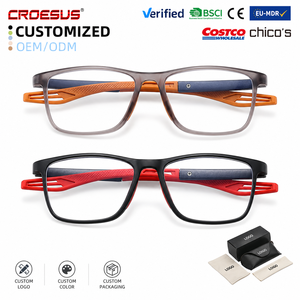

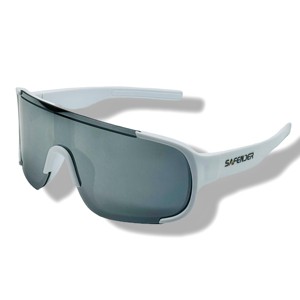
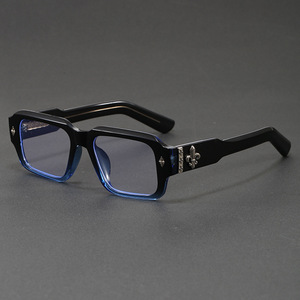



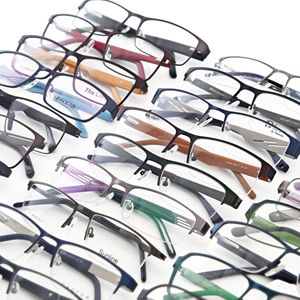
In commercial optical manufacturing, few materials possess the enduring commercial authority, chromatic depth, and tactile luxury of tortoiseshell cellulose acetate. Originating from natural cotton linters and sustainable wood pulp, raw cellulose flake undergoes controlled esterification with acetic anhydride. Unlike commodity injection-molded plastics (such as polycarbonate or acrylics) that suffer from internal molecular strain, brittle fatigue, and lifeless flat surface tones, high-grade block-cast cellulose acetate offers an organic crystalline flexibility and hypoallergenic touch essential for medical prescription eyeglass frames.
The creation of authentic Havana, Tokyo Tortoise, Amber Demi, and Blonde Fleck patterns is fundamentally an artisan and chemical process. Raw polymer dough is kneaded with non-phthalate plasticizers (such as DEP or bio-based citrates) and infused with organic pigments. To generate iconic tortoise stratification, master colorists slice, compress, restack, and hydraulic-press alternating opaque amber, pitch black, golden honey, and rich mahogany blocks under thermal equilibrium. This process requires precise physical control: if the pressing pressure or temperature deviates by even 3%, the chromatic boundaries blur, causing muddy color gradients rather than crisp, three-dimensional light refraction.
For optical distributors, retail chain procurement directors, and independent brand owners, the quality delta between Tier-1 acetate frame factories and budget producers lies primarily in oven curing and aging duration. Freshly extruded or sliced acetate slabs contain volatile solvent residues. Premium manufacturing mandates that sliced raw acetate sheets undergo temperature-controlled curing in specialized dehumidifying kilns for a minimum of 60 to 90 days. This curing cycle eliminates residual internal stresses, prevents future post-assembly frame warping, and stabilizes shrinkage rates below 0.15%. Sourcing from uncertified workshops that shortcut curing to 10 days inevitably leads to frame splay, lens popping under high atmospheric heat, and loose hinge anchors after six months of retail display.
A frame’s tactile excellence is forged through high-precision machining and hand craftsmanship. Top trusted tortoise acetate factories deploy sophisticated multistage tooling protocols to transform stabilized slabs into luxury eyewear ready for global distribution.
High-speed diamond router bits mill the lens eyewire grooves, base curve curvatures (from 2.0 to 6.0 base), and ergonomic nose pads to tolerances within ±0.03mm, preventing cold-snap lens mounting failures.
Custom nickel-silver or titanium temple cores, embossed with bespoke guilloché patterns, are thermally shot into 4.0mm - 6.0mm acetate temples under uniform pneumatic speed to ensure permanent optometric adjustability.
Frames undergo four continuous cycles in beechwood and bamboo chip tumbling barrels infused with pumice, carnauba wax, and micro-abrasive pastes, followed by manual muslin-wheel high-gloss buffing.
When formulating optical retail catalog assortments, purchasing managers must weigh material properties across visual depth, tensile yield, climate stability, and optometric fitting capability.
| Evaluation Parameter | Cured Block Cellulose Acetate | Injection Molded TR90 Nylon | Polycarbonate (PC) Plastic | Extruded Sheet Acetate (Low-Tier) |
|---|---|---|---|---|
| Tortoise Color Depth | Stratified 3D Matrix (Mazzucchelli Grade) | Surface Film / Water Transfer Print | Single-Tone Mold Injected / Painted | Planar 2D Print (Prone to Clouding) |
| Optometric Cold/Warm Adjustability | Full Heat Customization (55°C - 65°C) | Memory Shape (Limited Adjustment) | Cannot Be Adjusted (Snap Hazard) | Moderate (Prone to Memory Springback) |
| Shrinkage & Warpage Rate | < 0.15% (After 75-Day Aging) | Negligible (< 0.05%) | Low (< 0.10%) | High (0.80% - 1.40% over 6 months) |
| Hinge Anchor Pull-Out Force | > 180 N (Riveted or Heat-Welded) | 110 N (Ultrasonic Inserted) | 85 N (Screw Anchor or Glued) | 120 N (Prone to Loosening) |
| Skin Biocompatibility (ISO 10993) | 100% Hypoallergenic Cotton/Wood Pulp | Medical Grade Polyamide | Standard Chemical Grade | Contains Industrial Plasticizers |
The international eyewear sourcing landscape is pivoting toward rigorous sustainability mandates, hybrid material integration, and digitized micro-logistics. Factory partners that fail to modernize their tooling lines and chemical compositions risk obsolescence under shifting European Union and North American environmental directives. Key forward-looking vectors shaping acetate procurement include:
Transitioning from fossil-derived diethyl phthalate to bio-based plasticizers derived from vegetable starches and organic citric acid esters. Certified bio-based content (EN 16785-1 / ASTM D6866) guarantees biodegradability in industrial compost environments within 115 days without compromising crystal luster or rigidity.
Integrating featherweight Japanese Grade 2 pure titanium and beta-titanium wire chassis inside ultra-slim 2.8mm milled acetate rims. This hybrid configuration satisfies the surging global consumer demand for ultralight, vintage-inspired aesthetics while providing the hypoallergenic structural strength of aero-metal temples.
Traditional CNC routing wastes up to 70% of an acetate sheet in shavings and off-cuts. Progressive Tier-1 exporters now operate on-site closed-loop solvent reclamation plants, depolymerizing clean Havana shavings back into raw flakes for second-generation core inserts and reinforced end pieces.
Operating from our regional partnership and logistics headquarters in Al Khabaisi, Deira, Dubai, UAE, Auraview Optical serves as the vital bridge connecting world-class frame engineering with licensed optical retail chains, independent ophthalmology practices, and multinational distributors across the UAE, Saudi Arabia, Qatar, Kuwait, Bahrain, Oman, and the wider MENA region.
Clear, non-cannibalizing brand pillars: AirLite (ultra-flexible Turkish engineered TR90), Ottillio (refined French luxury aesthetic and hand-cured acetate), and Gözşik (bold, avant-garde contemporary designs) to maximize wall-display ROI.
Strict adherence to B2B channels. We never compete with our retail partners online or in direct-to-consumer marketplaces, ensuring protected price points, healthy gross margins, and brand equity retention.
Bilingual (English and Arabic) partnership desks operating in Gulf Standard Time (GST), streamlining customs clearances, localized labeling, line-sheet curation, and rapid 48-hour replenishment cycles.
Clear, actionable answers addressing technical specifications, lead times, custom Havana tooling, and quality control standards.
For existing, in-stock catalog acetate sheets (standard Tokyo Tortoise, classic amber Havana, or dark demi-blonde), MOQs typically start at 100 to 300 pieces per SKU. For proprietary custom colorway laminations or bespoke extrusion patterns matched to Pantone swatches, chemical blending houses require minimum batch weights corresponding to 500 to 1,000 pieces per production run.
Our quality control protocols utilize gas chromatography-mass spectrometry (GC-MS) to measure residual solvent concentration, alongside thermal shrinkage ovens (heating test coupons to 60°C for 24 hours). Slabs exhibiting dimensional variance exceeding 0.15% are returned to aging kilns. Additionally, a Shore D hardness test verifying ratings between 82 and 86 Shore D ensures ideal machinability.
For standard 4.0mm to 5.0mm front plates, German-engineered 5-barrel or 7-barrel hinges with Teflon-coated stop screws and dual-tooth anchors provide the highest fatigue resistance. For heritage collections, traditional dual-pin rivet hinges mechanically hammered through the front plaque deliver authentic vintage aesthetics and superior structural hold compared to simple ultrasonic heated inserts.
Every production batch conforms strictly to ISO 12870 (Ophthalmic optics – Spectacle frames), ANSI Z80.5, CE EN ISO 12312-1, and FDA 21 CFR 801.410 impact resistance standards. Tests verify nickel release under EN 1811 on metal cores, sweat/perspiration corrosion resistance over 24 hours, and hinge cyclic endurance through 15,000 open-close movements without loosening.
Yes. We offer high-resolution UV laser etching on inner temple arms, epoxy-filled hot stamping, metallic foil heat transfer, and embossed core-wire engraving. Custom nose pad co-molding, customized temple tip end-plugs, and branded retail clam-shell cases are fully coordinated under OEM/ODM service contracts.
Stock replenishment of active catalog silhouettes from our Dubai GCC distribution hub takes 5 to 10 business days. For new OEM custom-tooled designs requiring CNC CAD drafting, 3D wax prototyping, master sample approvals, and custom block slicing, typical factory lead times range from 45 to 65 days from final tech-pack signoff.
Both serve complementary retail positions. Properly cured block acetate holds its hand-polished shine and provides rich, high-end optical boutique presence, requiring slight warm-air optometric tuning for customer fitting. TR90 (as featured in our AirLite series) offers featherweight memory elasticity and superior sweat resistance for intense outdoor activities. Many optical stores balance 60% acetate and 40% TR90 on their display walls.
All export shipments include full commercial documentation: Certificate of Origin (COO), Saber certification for Saudi Arabia (SASO compliance), CE Declaration of Conformity, detailed packing lists with HS code classifications (9003.11 for plastic spectacle frames), and independent lab test reports for chemical and impact compliance.
Connect directly with our Dubai partnership desk to request wholesale line sheets, schedule sample kit evaluations, or review custom private label OEM blueprints tailored for your retail chain.
Exclusively Serving Licensed Optical Practices, Optical Chains & Regional Distributors