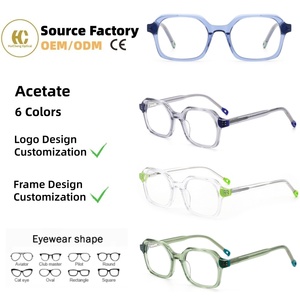
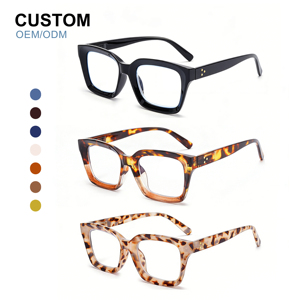
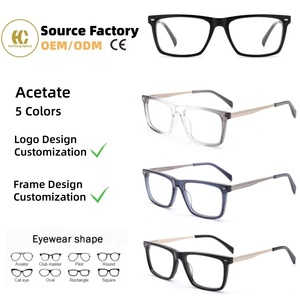
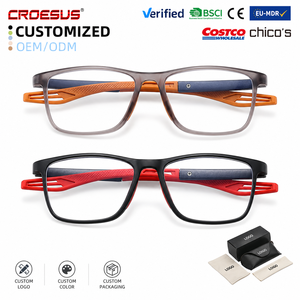
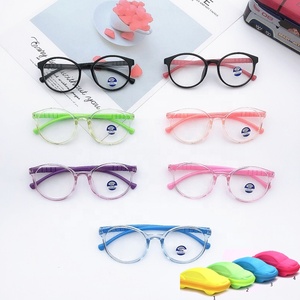
Children Acetate Optical Durable Eyeglasses Frames
Engineered specifically for pediatric ergonomics with resilient hypoallergenic acetate, reinforced core wire temple stems, and soft contour bridge pressure distribution.
Engineered to exceed ISO 12870 standard thresholds, our curated B2B export frames bridge premium material science—from Mazzucchelli bio-acetate to Swiss EMS TR90 polyamides—ensuring superior dispensary sell-through and zero-tolerance laboratory glazing compatibility.
Engineered specifically for pediatric ergonomics with resilient hypoallergenic acetate, reinforced core wire temple stems, and soft contour bridge pressure distribution.
Ultra-slim profile tailored for retail optical boutiques and volume turnkey pre-assembled reading glasses with premium vacuum anti-reflective coatings.
Injection-molded Swiss Grilamid TR90 architectural geometry providing structural memory, dimensional stability, and prolonged fatigue resistance for active lifestyles.
Bold geometric double-bridge pilot architecture combining high refractive index rim depth to mask thick prescription edges for high myopic corrections.
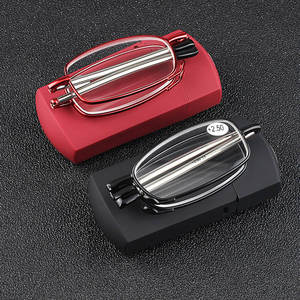
Precision calibrated multi-hinge linkage collapses into a compact metallic shell. Ideal for high-turnover optical point-of-sale impulse and travel merchandise lines.
Individually hand-buffed organic cotton cellulose acetate with dual-groove bevels, German OBE screw components, and micro-chamfered comfort nose pads.
Designed for optical chains seeking maximum shelf rotation. Features high tensile rim lock grooves that ensure seamless edging and mounting of CR-39 and polycarbonate lenses.
Engineered for digital classroom fatigue mitigation. Features screwless snap-in hinge construction eliminating loose small components while resisting torsional trauma.
Production Reference SKUs
Defect Yield Tolerance
Cycle Hinge Fatigue Tests
Destination Export Ports
The international wholesale optical frame trade is undergoing an unprecedented structural transition. In previous market cycles, procurement managers for retail optical banners and optical wholesale groups focused purely on unit landed cost (FOB/CIF basis). However, contemporary macroeconomic realities—ranging from supply chain fragmentation and tighter retail floor margins to shifting consumer demand toward ergonomic longevity—have driven a fundamental evolution in buyer intent. Modern optical buyers now demand Information Gain: rigorous traceability, measurable mechanical performance, rapid inventory turnover velocity, and guaranteed cold-and-hot glazing laboratory compliance.
Professional optical dispensers and hospital networks across North America, Europe, the GCC, and Asia-Pacific require manufacturing partners capable of balancing design aesthetics with high mechanical precision. Key procurement vectors driving competitive advantages include:
Moving away from rigid 1,200-piece single-color production runs toward modular tiered minimums (100–300 pcs per model). This limits capital lockup, mitigates terminal overstock risk, and accelerates cash-to-cash conversion cycles for retail chains.
Mandatory adherence to REACH Regulation (EC) No 1907/2006, EN 16128:2015 nickel-release benchmarks, and California Proposition 65 phthalate thresholds. Optical practices cannot afford reputational risk associated with dermatological reactions.
Strategic staging of raw unbranded shells and high-runner frames at geopolitical logistics centers—such as Dubai (serving GCC & MENA) and Rotterdam (serving the EU)—enabling sub-72-hour turnaround for fast replenishment.
Optical chains are actively consolidating their vendor bases. Where a distributor previously handled 15 fragmented workshops across multiple provinces, they now consolidate their purchasing with integrated manufacturers that guarantee uniform electroplating tolerances, standardized lens groove bevel angles (standard 110° to 120° v-bevels), and pre-approved replacement temple component libraries.
The boundary between performance technical eyewear and everyday ophthalmic frames has dissolved. Today's patient expects featherlight weight without sacrificing structural stability or the ability to securely house complex multi-focal and high-cylinder prescription lenses. Achieving this balance requires deep mastery over polymer physics and metallurgy.
Below is a comparative breakdown of contemporary optical frame substrate technologies and their structural behaviors during high-throughput laboratory lens edging and everyday consumer usage:
| Substrate Type | Density (g/cm³) | Flexural Yield Strength | Glazing Thermal Window | Commercial Lifecycle & Target Shelf |
|---|---|---|---|---|
| Bio-Based Cellulose Acetate | 1.28 – 1.32 | 85 – 110 MPa | 60°C – 70°C (Optimum) | High-End Luxury / Boutique |
| Swiss Grilamid TR90 Polyamide | 1.00 – 1.04 | 130 – 165 MPa | Cold Snap-in / Max 50°C | High-Rotation / Sports / Kids |
| Beta-Titanium & Pure Titanium | 4.50 – 4.54 | 800 – 950 MPa | Cold Mounting (No Heat) | Executive Minimalist / Ultra-Light |
| High-Nickel Monel Alloy | 8.80 – 8.90 | 350 – 450 MPa | Ambient Temperature | Value Presbyopia / Folding Styles |
| Ultem (PEI - Polyetherimide) | 1.27 – 1.29 | 150 – 175 MPa | Cold Mounting | Tech-Minimal / Clip-on Hybrid |
Three cutting-edge industrial trends dominate modern optical frame production lines:
1. Subtractive Multi-Axis CNC vs. High-Pressure Micro-Injection: High-density acetate blocks undergo controlled chamber aging for a minimum of 60 to 90 days to release internal volatile plasticizers. Without this stabilization period, milled frames warp under ambient temperature shifts. Once aged, 5-axis robotic CNC cutters sculpt the lens orbits with an accuracy of ±0.05mm, ensuring an exact lens circumference fit that prevents lens pops and optical axis aberration.
2. Vacuum Ion PVD Coating vs. Wet Chemical Dipping: Traditional electroplating deteriorates after extended exposure to human skin sebum and perspiration, leading to greening, corrosion, and customer complaints. High-grade metal optical frameworks now leverage Physical Vapor Deposition (PVD) inside high-vacuum chambers, creating a titanium carbon-nitride barrier that resists over 96 hours of salt spray testing (ASTM B117).
3. Universal Ergonomic Bridge Architecture: Recognizing physiological diversity across global export regions, modern toolings incorporate dual-mold configurations—incorporating deeper nose pad wells for East Asian and GCC cranial profiles, alongside traditional European bridges. This ensures universal dispensing without requiring severe mechanical adjustments at the retail bench.

As a global optical frame manufacturing and export enterprise operating seamlessly between world-class fabrication hubs and our central regional distribution office in Dubai, UAE (Al Khabaisi, Deira), we solve the two greatest bottlenecks in B2B eyewear: unpredictable quality inconsistency and protracted lead times.
We do not operate as simple trading intermediaries. We provide a vertically integrated eyewear manufacturing infrastructure backed by our multi-brand portfolio including AirLite (precision Turkish-engineered lightweight TR90 systems), Ottillio (high-luxury French heritage styling), and Gözşik (bold, contemporary high-fashion eyewear). Our enterprise model gives wholesale buyers a competitive edge:
Every production lot undergoes rigorous mechanical batch tests: 25,000 continuous hinge flexions, bridge deformation load tests, tumbling barrel finish resistance, and spectrophotometer color-fastness analysis.
From initial industrial CAD drawings and 3D prototype printing within 72 hours, to custom laser wire branding, custom temple tip engraving, and tailored hard-case packaging solutions ready for retail merchandising.
By leveraging our bonded central warehouse in Dubai, we facilitate duty-efficient re-exports, rapid replenishment across the GCC, MENA, and European markets, and safeguard our partners against port congestion.
Our strict B2B-only philosophy ensures complete commercial alignment: we never sell directly to consumers. Our entire research, production, and distribution pipeline is engineered exclusively to maximize your gross dispensary profit margins, elevate patient satisfaction, and accelerate stock turns.
Below are authoritative, direct answers to the primary technical, operational, and commercial questions raised by international procurement managers prior to entering wholesale supply agreements.
Whether you are expanding a retail chain of 50 optical dispensaries, creating a private-label fashion eyewear line, or tendering for institutional optical contracts, our engineering team and international export desk deliver unmatched consistency, speed, and margin protection.