Full-Rim Metal
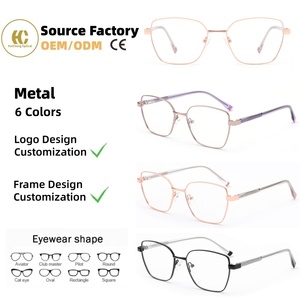

Direct sourcing channels from top Chinese precision manufacturing clusters (Wenzhou, Danyang, Shenzhen) tailored to retail climate endurance, Rx glazing versatility, and East African consumer preferences.
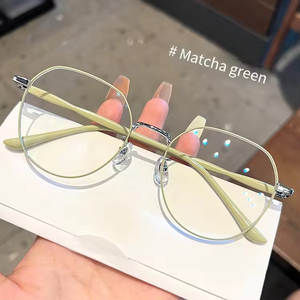
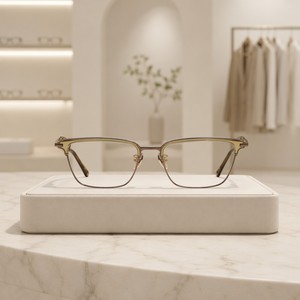
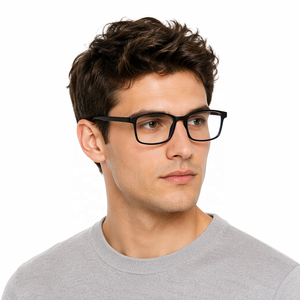
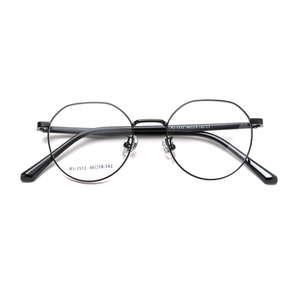
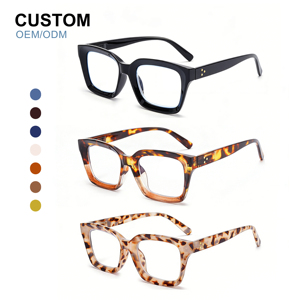
An exhaustive evaluation of physical durability requirements, regulatory EFDA frameworks, foreign currency clearance mechanisms, and consumer ergonomic demands across Ethiopia.
The ophthalmic retail sector across the Federal Democratic Republic of Ethiopia has reached a structural inflection point. Historically governed by ad-hoc, informal parallel imports through Middle Eastern entrepôts or Dubai secondary traders, the current Ethiopian optical retail infrastructure—anchored within the major commercial nodes of Addis Ababa, Dire Dawa, Hawassa, Adama, Mekelle, and Bahir Dar—demands direct, predictable, and certified factory-level supply lines. As Ethiopia undergoes sweeping monetary reforms and recalibrates foreign exchange regimes via the National Bank of Ethiopia (NBE), optical store proprietors, ophthalmic chain executives, and tertiary eye-care clinic procurement officers can no longer rely on fragmented intermediary stock with inconsistent mechanical specifications.
Building an enduring optical enterprise in Ethiopia requires an acute understanding of how Chinese optical manufacturing nodes—specifically the specialized metallurgical plants of Danyang, the rapid-trend injection clusters of Wenzhou, and the high-precision CNC acetate ateliers of Shenzhen—directly integrate with local epidemiological needs, high-altitude UV indices, abrasive soil particulate exposure, and rigorous national regulatory protocols dictated by the Ethiopian Food and Drug Authority (EFDA).
Within high-density commercial strips surrounding Bole Medhanialem, Edna Mall perimeter, and historic Piassa optical quarters, urban professionals, diplomatic corps, and university demographics favor lightweight Clubmaster silhouettes, hand-finished acetate, and ultra-durable IP (ion-plated) titanium. Frames must accommodate anti-reflective (AR) blue-light blocking lenses, supporting extended computational work environments without premature temple looseness or bridge oxidation.
Operating as the commercial nexus of East Africa, Addis Ababa’s Merkato demands high-turnover, virtually unbreakable prescription chassis capable of distribution to secondary towns like Jimma, Dessie, and Gondar. High-elasticity Swiss-engineered EMS TR90 injection frames dominate this application tier, surviving extreme logistical handling, ambient temperature fluctuations, and repeated mechanical stress while retaining groove integrity for lens edging.
Hospital-adjacent dispensaries (such as institutions collaborating around Menelik II Referral Hospital or private specialized clinics across Sarbet and CMC) require standardized full-rim frames that facilitate rapid manual or automated patternless edging. Mechanical rigidity is paramount to securely seat high-diopter myopic lenses and bifocal or progressive additions without barrel warping or lens popping.
Situated at elevations averaging 2,300 to 2,500 meters above sea level, Ethiopian highland populations experience intense solar ultraviolet irradiation. Optical inventory destined for this environment must feature galvanic multilayer coatings and sweat-resistant galvanic lacquers that will not flake, pit, or discolor when exposed to high altitude sun, skin sebum, and seasonal dry particulate dust.
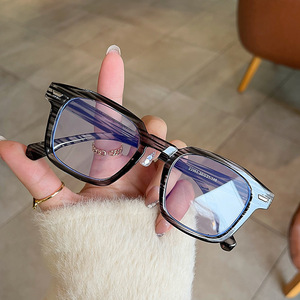
The aggressive expansion of telecom, software incubation, and administrative banking in Ethiopia has spurred a sharp rise in digital eye strain (DES). Retailers report surging turnover in entry-level to mid-tier fashion square TR90 chassis glazed with blue-blocking stock lenses, catering to students from Addis Ababa University and young tech professionals seeking cost-effective screen ergonomics.
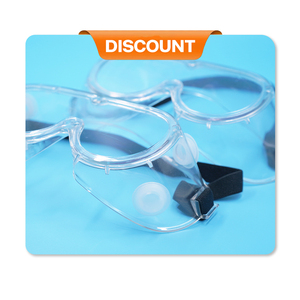
With industrial park expansions across Hawassa, Bole Lemi, and Kilinto, institutional demand for certified optical safety eyewear has grown exponentially. Optical dispensaries servicing corporate contracts demand sealed, anti-fog polycarbonate goggles and side-shield prescription safety frames meeting ANSI Z87.1 / EN166 European safety standards for particulate and chemical protection.
The macroeconomic landscape of Ethiopia's optical healthcare trade is governed by four transformative structural dynamics that every severe importer and dispensary operator must navigate:
1. Decentralization of Optical Retail Beyond the Capital: While Addis Ababa historically concentrated over 70% of optical retail revenue, economic corridors connecting Adama, Hawassa, and Dire Dawa are witnessing an unprecedented proliferation of licensed private optometry clinics. Consumers across these emerging urban clusters increasingly reject disposable non-branded frames in favor of documented, structurally robust chassis with verified tensile strength and recognizable design cues.
2. Transition from Fragmented Luggage Trade to Direct Factory Sea/Air Consolidation: Historically, significant volumes of frames entered the country through informal personal luggage conduits originating in regional trade centers. Stricter customs enforcement at Bole International Airport, combined with regulatory scrutiny on medical device traceability, has catalyzed a direct wholesale model where Chinese factories supply pre-cleared, palletized cargo routed through Bole Cargo terminal or multimodal sea corridors via the Port of Djibouti into the Modjo Dry Port container terminal.
3. Rise of the Private-Label Ophthalmic Brand: Progressive Ethiopian retail chains are progressively transitioning away from generic factory white-label stock toward localized private branding. By commissioning custom laser-engraved pad printing, branded microfiber lens cloths, and tailored hard cases directly at our Chinese assembly plants, retailers establish defensible regional brand equity, insulate their margins against price erosion, and build generational customer loyalty.
4. Strict Regulatory Enforcement by the EFDA: The Ethiopian Food and Drug Authority has intensified inspection regimes governing ophthalmic medical devices (Class I medical apparatus). Importers must now maintain impeccable documentation, including Certificates of Conformity (CoC), ISO 13485 medical manufacturing accreditation, and FDA/CE technical dossiers. Sourcing from certified manufacturing operations guarantees frictionless customs clearance without costly cargo confiscation or administrative demurrage.
Anchored by our Dubai Middle East & Africa Partnership Desk and direct manufacturing centers in China, we eliminate the vulnerabilities of intermediate wholesale brokers.
We furnish complete technical documentation, CE certificates, ISO 13485 quality credentials, and test reports required by the EFDA for import permit processing and commercial invoice validation.
Through our established regional trade presence coordinated from Dubai (GST time zone), we assist partners in structuring transparent commercial invoices, Letter of Credit (LC) requirements, and Cash Against Documents (CAD) workflows.
Direct access to our specialized house brands: AirLite (precision-machined TR90 ultra-light ergonomics), Ottillio (high-end European-cut acetate and titanium), and Gözşik (bold, expressive modern fashion silhouettes).
We eliminate inventory risk by dispatching rapid physical sample approval kits via DHL/FedEx directly to your dispensary in Addis Ababa prior to bulk carton production, verifying hinge tension and pad comfort.
We never compete with retail partners. Our manufacturing operations maintain an absolute B2B-only policy, ensuring retail price point integrity and healthy margin structures across your physical showrooms.
All bridge dimensions, pantoscopic tilt angles, and eyewire groove bevels are standardized to match modern Essilor, Nidek, and Briot automatic patternless edgers, eliminating lens chipping and rim stress fractures.
Clear answers addressing customs, currency mechanisms, minimum order volumes, and logistical routing from China to Ethiopia.
Eliminate intermediate broker markups, ensure prompt EFDA compliance, and elevate your frame wall sell-through with tested Swiss TR90, French-engineered luxury acetate, and medical-grade titanium frames. Contact our partnership desk today for comprehensive wholesale line sheets and fast-track shipping estimates to Addis Ababa.