TR90 Ergonomics
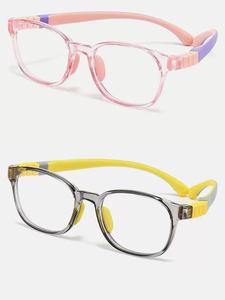

Explore our engineered collections optimized for the German optometry market—spanning architectural polygonal silhouettes, high-tensile beta titanium, medical-grade TR90 polymerics, and premium cellulose acetate.
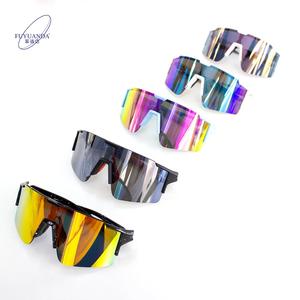
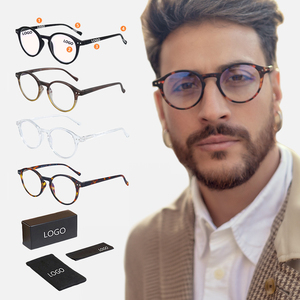
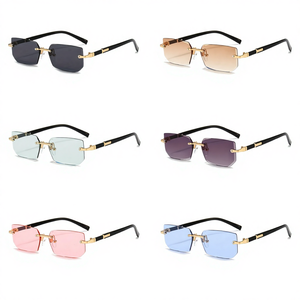
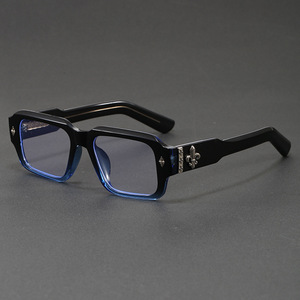
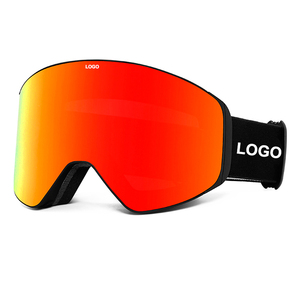
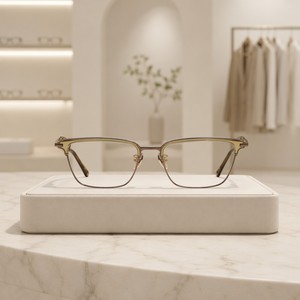

In the German eyewear sector (Optikerhandwerk), optical frames are evaluated not merely as fashion accessories, but as class-I medical apparatus carriers requiring stringent mechanical reliability and material biocompatibility.
Every batch of geometric optical frames exported to Germany is fully documented with a Declaration of Conformity (DoC), technical dossiers, traceable batch numbering, and permanent CE temple engraving in compliance with European Medical Device Regulations.
Frames undergo exhaustive fatigue simulation testing, including mechanical bridge deformation resistance, temple pull-out tensile checks, 48-hour perspiration corrosion immersion, and optical groove dimensional stability for automated lens edging machines (Weco, Essilor, Briot).
Strict adhesion to Annex XVII of REACH regulation regarding nickel release thresholds (<0.5 µg/cm²/week). We deploy physical vapor deposition (PVD) ion titanium plating and medical-grade silicone pads to prevent contact dermatitis among end-consumers.
From independent traditional master opticians (Augenoptikermeister) to expansive retail chains (Fielmann, Apollo-Optik) and innovative D2C concept stores, geometric frames cater to explicit demographic segments.
In metropolitan creative centers such as Berlin, Munich, Hamburg, and Frankfurt, consumers increasingly abandon round minimalist wireframes in favor of architectural polygonal forms—octagonal, hexagonal, and softened diamond contours. Geometric eyewear serves as an understated statement of intellectual precision and contemporary design culture in corporate and creative environments.
German optical retailers demand vertical frame heights (B-measurement) exceeding 34mm to house complex customized progressive lenses (Gleitsichtbrillen) by Zeiss, Rodenstock, or Essilor. Our geometric shapes are engineered with optimized lower facet angles, providing wide reading corridors without cosmetic lens bulk or peripheral optical distortion.
With margin compression on traditional multinational licensed designer brands, independent German opticians are developing bespoke in-house house brands. Our flexible OEM/ODM manufacturing allows store owners to offer distinctive geometric lines with localized laser pad branding and exclusive colorways that preserve 65%+ gross retail margins.
A frequent error made by generic eyewear exporters is exporting Asian-fit bridge geometry directly into Central European distribution pipelines. German and Northern European wearers typically possess higher nasal bridge profiles, deeper pantoscopic tilt preferences (typically 7° to 9°), and longer temple ear-curve drop-offs.
Our engineering laboratory calibrates nasal angles (crest angle ~25°-30°), incorporates adjustable beta-titanium goose-neck pad arms, and extends standard temple lengths to 145mm and 150mm. This ergonomic consideration dramatically reduces localized fitting time at the optician's workbench, cutting down customer adjustments and increasing dispensary throughput.
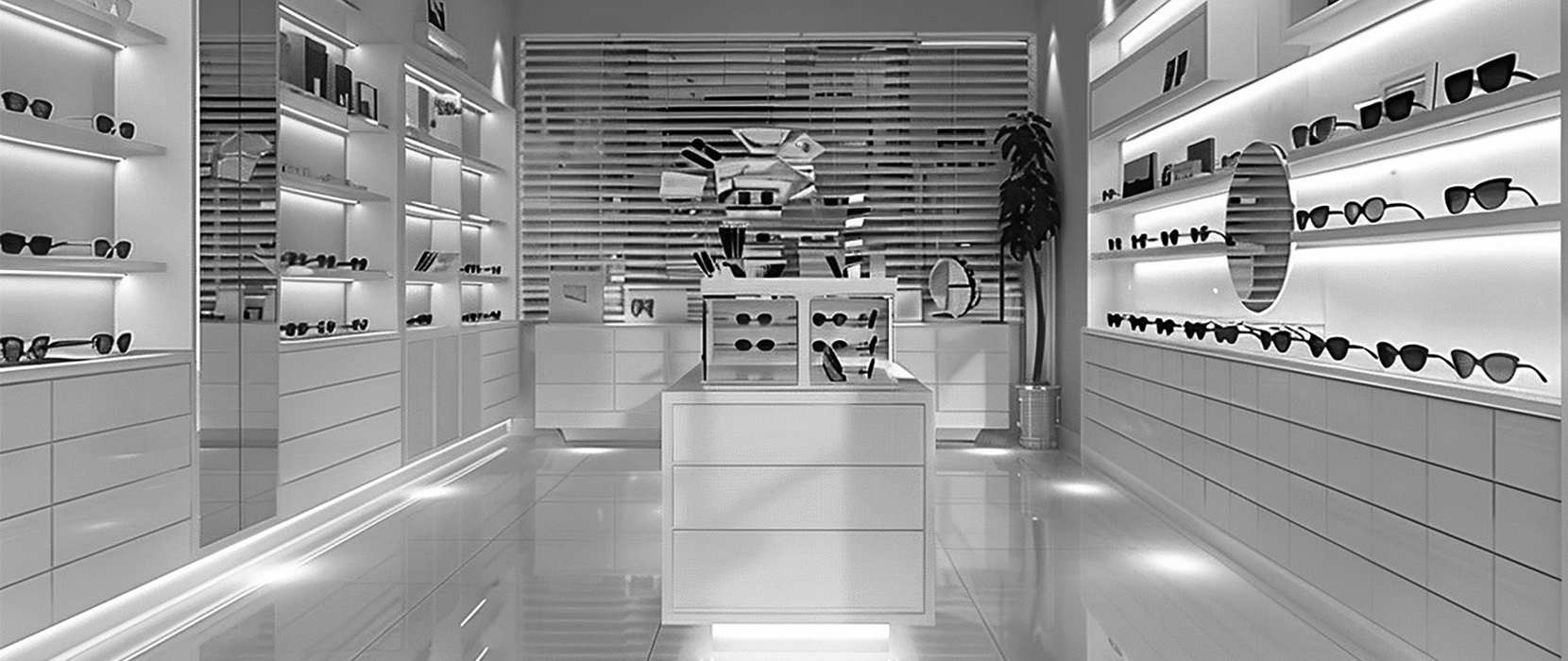
Strategic supply chain analysis reveals three dominant operational trends reshaping how optical purchasing managers in Germany select manufacturing partners in China.
German consumer sentiment has systematically prioritized sustainability and structural endurance over disposable micro-trends. Retailers are actively purging low-grade zinc alloy frames. Demand has consolidated around high-density bio-based cellulose acetate (acetate renewed) and micro-milled Japanese/German grade aerospace titanium. Frames must endure 3+ prescription lens refresh cycles without structural fatigue.
Pure metal or pure plastic collections are yielding ground to hybrid compositions: high-index stainless steel chassis wrapped in thin geometric acetate windsor rims, or ultra-thin TR90 fronts coupled with structural beta-titanium temples. These combinations maximize visual depth while keeping total unglazed frame weight under 14.5 grams.
Mid-sized German optical buying groups (Einkaufsgenossenschaften) and expanding regional chains are bypassing intermediary European trading houses to partner directly with auditable source manufacturers. Direct OEM collaboration mitigates currency fluctuations, stabilizes lead times, and allows precise supply chain governance aligned with the German Supply Chain Due Diligence Act (LkSG).
Integrating vertically integrated production capabilities with international logistics hubs, we provide unmatched manufacturing precision, scalable capacities, and enterprise-grade reliability.
Dedicated production workshops for high-precision CNC acetate tumbling, robotic 5-axis metal milling, Swiss TR90 thermoplastic injection, and vacuum chamber ion titanium plating (IP gold, rose, ruthenium, graphite).
Strict enterprise client protection: we do not retail directly to end-consumers. We respect geographic style exclusivities, protect customized technical tooling molds, and maintain rigorous NDAs for proprietary client collections.
Leveraging deep industrial manufacturing in China backed by cross-regional distribution logistics via our centralized international hubs, ensuring stable carton packing, barcoding, customs compliance, and expedited freight routing into Germany (Frankfurt/Hamburg).
A 4-stage internal QA regimen: incoming material spectroscopic verification, CNC tooling tolerance audit (±0.05mm), mechanical hinge stress testing, and hand-finished polishing evaluation before bulk packaging.

We empower German buyers to seamlessly bridge the gap between initial prototyping and massive retail rollouts. Whether you require small-batch trial orders for localized market tests or full containerload rollouts across 500+ chain storefronts, our factory infrastructure provides modular tooling scalability.
Comprehensive value-added OEM services include high-definition laser temple branding, pantographic pad printing, customized German/English barcoded master cartons, custom eco-leather foldable cases, and pre-mounted CE dummy lenses with blue light or antireflective demonstrational coatings.
Practical, regulatory, and commercial inquiries routinely raised by German optical chain procurement managers, wholesalers, and independent opticians.
Under EU Regulation 2017/745 (MDR), non-corrective optical frames intended to carry prescription ophthalmic lenses are classified as Class I Medical Devices. We provide full Technical Documentation, ISO 13485-aligned manufacturing oversight, CE markings on the inner temple arm, and official Declarations of Conformity enabling your designated EU Authorized Representative (EC REP) or import desk to register smoothly with the German DIMDI/BfArM database.
For ready-to-ship catalog styles with custom laser pad printing, our opening MOQ starts at 100 units per model (split across 2-3 colorways). For bespoke OEM design production requiring custom CNC tooling molds, acetate sheet extrusion, or proprietary geometric temple tooling, our standard baseline is 300 to 500 units per model, providing competitive unit economics tailored for the German mid-to-high optical retail tier.
We utilize advanced vacuum Ion Plating (IP) technology for all stainless steel, monel, and titanium frames. We completely eliminate cheap electro-nickel underplates, substituting high-durability palladium or copper base coats followed by titanium nitride gold/ruthenium color layers. Independent lab certification (SGS / TÜV Rheinland) verifying release rates below 0.5 µg/cm²/week is provided per batch on demand.
Yes. Accurate bevel groove geometry is critical for automated CNC lens edging systems (such as Weco, Satisloh, Essilor Mr. Orange, or Nidek). Our geometric frames are cut with a standard 110° to 120° V-groove angle with consistent 0.6mm depth tolerances. This prevents lens slippage (Zwangsmontage) and eliminates frame breakage during cold-glazing or heated acetate insertion in the workshop.
Sample prototype fabrication takes 10 to 18 days. Mass production averages 45 to 60 days depending on material complexity (handmade acetate tumbling requires extended curing). Shipments are routed via DDP air cargo (5-7 business days to Frankfurt Airport) or consolidated sea freight (28-35 days to Port of Hamburg), with complete commercial invoices and TARIC code classifications (9003.11.00 / 9003.19.00).
Yes. We supply retail-ready optometric packaging solutions, including custom rigid or foldable cases, microfiber cleaning cloths with heat-stamped logos, and individual polybags labeled with your internal EAN-13 barcodes, model codes, and color references to ensure seamless integration into German optical ERP inventory systems (e.g., Euronet, Ipro, Optix-soft).
Partner with an established China manufacturing leader certified to international optical standards. Request our full wholesale catalog, technical spec sheets, and physical showroom sample kits today.