TR90 Medical Grade
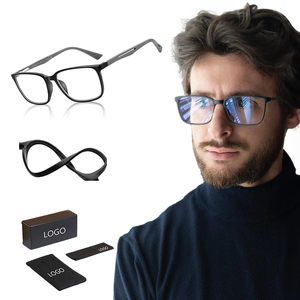

Designed for optical clinics, wholesale distributors, and retail optometry chains in Tashkent, Samarkand, and the wider CIS region. Every frame adheres to stringent ISO 12870 dimensional stability and EN 166 safety requirements.
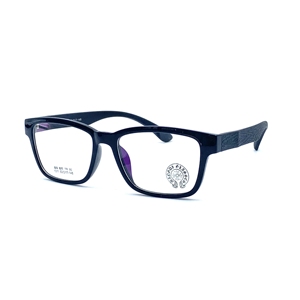
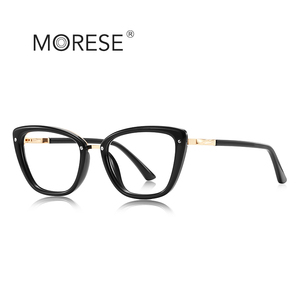
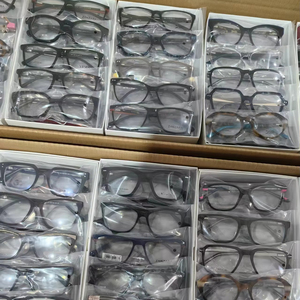
With a population surpassing 36 million and a median age of 29.1 years, the Republic of Uzbekistan represents the most dynamic, high-growth ophthalmic market in Central Asia. The intersection of modernizing health infrastructures and shifting retail consumer patterns has created an urgent imperative for reliable, direct factory-level eyewear procurement.
Historically reliant on disparate wholesale bazaars such as Abu Sahiy and fragmented middle-tier traders, Uzbek optical retailers are aggressively transitioning to formalized, factory-direct contracts. Direct manufacturer integration removes compounding markups, ensures batch consistency, and stabilizes replenishment timelines across the Silk Road trading corridor.
Over 60% of the population is under 30 years old, driven by accelerated university enrollment, software development expansion in the IT Park Tashkent, and rapid digitalization. This digital pivot has escalated digital eye strain (asthenopia) and progressive myopia, multiplying regional retail demand for blue-light filtering frames and precision optical hardware.
Uzbekistan’s strategic geographical position and membership in regional trade treaties position it as the prime re-export springboard into southern Kazakhstan (Shymkent, Almaty), Kyrgyzstan (Bishkek, Osh), and Tajikistan. Tier-1 distributors in Tashkent leverage our scalable bulk factory capacities to serve cross-border optical pharmacies.
Wholesale success requires aligning frame materials and mechanical properties with local environments, consumer anatomy, and regional commercial channels.
High-end retail outlets in Tashkent (Mirzo Ulugbek, Chilanzar, Yunusabad) demand high-polish Mazzucchelli-style cellulose acetate and minimalist beta-titanium frames that mirror European aesthetic lines while maintaining margin viability.
Ophthalmic clinics and vision diagnostic institutions across Samarkand, Bukhara, and Andijan require robust TR90 prescription frames capable of undergoing cold-glazing without structural fractures or bridge warpage.
Heavy metallurgical operations in Navoi and Almalyk, alongside chemical production facilities in Fergana, mandate certified ANSI Z87.1 and CE EN166 high-impact ballistic polycarbonate eyewear with anti-scratch, anti-fog coatings.
Commercial bulk distributors operating in primary trade centers like Abu Sahiy and Yangiobod rely on our lightweight readymade reading glasses and trending eyewear with custom point-of-sale display cartons and swift SKU turnaround.
Central Asia experiences extreme continental temperature differentials ranging from -15°C in deep winter to +45°C during the summer "chilla". We engineer our frames to eliminate cold-brittleness and high-heat deformation.
| Raw Material Class | Material Engineering Characteristics | Climatic Stability Rating | Glazing & Assembly Attributes | Recommended Retail Sector |
|---|---|---|---|---|
| Swiss EMS TR90 | Ultra-flexible memory polymer; density 1.14 g/cm³; moisture resistant. | Maintains flexural strength from -25°C to +75°C without cracking. | Cold-glaze compatible; high memory retention prevents temple splay. | Everyday RX chains, digital lifestyle brands, youth wear. |
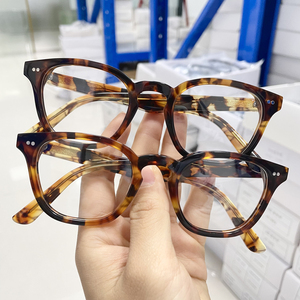
| Organic Cellulose Acetate | Multi-layer block cured organic polymer; hand-beveled and tumble-polished. | High thermal stability; hand-adjustable using standard hot-air warmers. | Reinforced with integrated nickel-silver wire core for custom temple profiling. | Fashion boutiques, executive styling, luxury optical retail. |
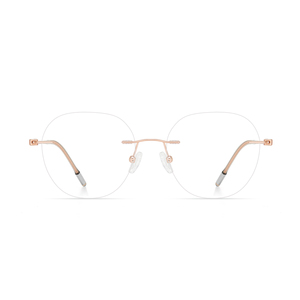
| Beta-Titanium Alloy | Biocompatible titanium-nickel shape memory alloy; extreme tensile resilience. | 100% corrosion-proof against perspiration and saline air environments. | Precision screwless or bush-mounted rimless assembly options. | High-end prescription clinics, corporate rimless eyewear. |
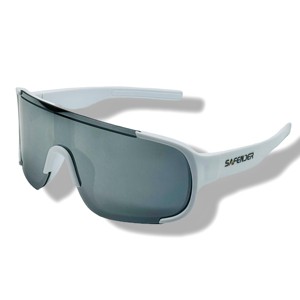
| Industrial Polycarbonate | High-velocity impact-resistant resin; dual-sided anti-scratch surface cure. | Withstands structural shocks without shatter; 100% UV400 filtration. | Curved wrap-around 8-base and 6-base shield configurations. | Mining safety, athletic cycling, tactical eye protection. |
Our integrated facilities utilize German CNC 5-axis tooling centers, automated robotic lacquering, and Japanese barrel polishers. Each batch destined for Uzbekistan undergoes three-stage QA: bridge endurance cycling (>25,000 actuations), salt-spray anti-corrosion testing (72 hours), and nickel-leaching verification to meet stringent international standards.
Clear, definitive answers addressing customs classification, currency settlement, certification, and logistical frameworks for optical entrepreneurs in Central Asia.
Optical frames are classified under HS/TN VED Code 9003 ("Frames and mountings for spectacles, goggles or the like"). Import duties, VAT, and customs fees are processed via the Single Window Customs Information System (Customs.uz). We provide fully certified commercial invoices, packing lists, and Certificates of Origin (Form A / Form CT-1 where applicable) to expedite prompt customs clearance at Tashkent-Tovarniy or Sergeli customs posts.
Yes. All optical frames and ophthalmic blanks are produced under ISO 9001, ISO 13485 (medical devices), and CE EN ISO 12870 standards. For clinical distribution, we supply complete test reports (toxicological inertness, skin contact safety, and mechanical endurance) required by the State Centre for Expertise and Standardization of Medicines, Medical Devices and Medical Equipment under the Ministry of Health of the Republic of Uzbekistan.
Commercial transactions are coordinated through standard international B2B instruments, including confirmed Irrevocable Letters of Credit (L/C), Wire Telegraphic Transfers (T/T), and currency settlements in USD, EUR, or RMB. We work seamlessly with major Uzbek financial institutions such as National Bank of Uzbekistan (NBU), Ipoteka-Bank, and Hamkorbank, providing contract registrations compliant with unified electronic trade systems.
For factory-in-stock catalog frames (including our TR90 and Acetate series), our low-barrier wholesale tier starts from as few as 100 to 300 pieces across assorted colorways. For bespoke OEM/ODM custom designs featuring custom pantone dyeing, laser-etched temple branding, and proprietary retail packaging, standard production MOQs range from 600 to 1,200 pieces per mold.
We leverage established multimodal Silk Road logistics routes. High-velocity air cargo reaches Islam Karimov Tashkent International Airport (TAS) within 5 to 8 business days for rapid replenishment. Bulk consolidated maritime-rail shipping moves via bonded container transport arriving directly at Tashkent dry terminals within 18 to 25 days, reducing freight overhead to under 3% of unit landed cost.
Absolutely. We encourage optical buyers, hospital groups, and distribution executives to evaluate physical samples for material density, hinge torque, plating resilience, and glazing tolerance. Sample dispatch takes 48 to 72 hours via DHL/FedEx courier directly to your commercial address in Uzbekistan.
Connect with our commercial engineering desk to receive comprehensive wholesale catalogs, line sheets, bulk wholesale pricing structures, and sample kits curated specifically for the Uzbekistan and Central Asian retail markets.