
Partnership desk+971 50 359 50 86
Partner Enquiry Tested for dimensional integrity under -30°C to +35°C thermal cycles, optimized for progressive lens mounting, and engineered for long-term optical practice profitability.
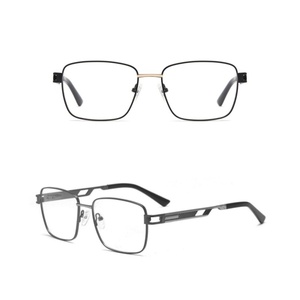
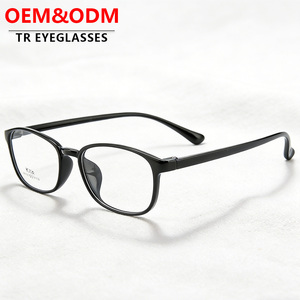
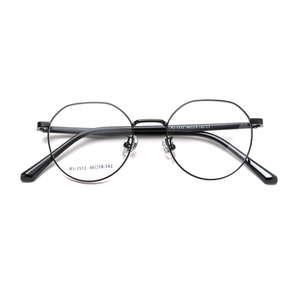
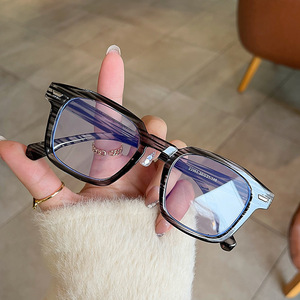

The Canadian eyewear sector occupies a unique commercial position within North America. While sharing proximate styling alignments with the United States, Canadian opticians, optometrists, and regional optical retail networks face distinct clinical, regulatory, and demographic operational factors. Independent eye care professionals (ECPs) throughout Ontario, British Columbia, Quebec, and the Prairies operate in an increasingly bifurcated ecosystem. On one flank, consolidated global optical retail groups leverage massive vertical supply chains; on the other, changing corporate healthcare insurance reimbursement paradigms demand that independent practices protect their gross dispensary margins without surrendering structural product quality.
As an international eyewear frame stock factory and precision exporter, our mission is to eliminate multi-tiered intermediary markups and deliver whitepaper-grade frame engineering directly to Canadian optical businesses. By maintaining substantial, ready-to-ship inventory across proven chassis—including Swiss EMS TR90 thermoplastics, German OBE-hinged cellulose acetates, Japanese titanium alloys, and corrosion-resistant architectural monel metals—we provide Canadian buyers with the agility to maintain high-rotation frame boards while commanding healthy retail margins exceeding 70%.
Assortment planning in Canada cannot follow a monolithic standard. Successful dispensaries match frame architectures directly to regional facial ergonomics, lifestyle profiles, and local climate stressors:
Characterized by prominent demographic diversity, including substantial East Asian and South Asian populations. Optical dispensaries in Markham, Richmond, Burnaby, and Mississauga require specialized low-bridge fit (Asian Fit) frames featuring elevated, narrow-set silicone nose pads, reduced pantoscopic tilt angles (6° to 8°), and widened temple spacing to eliminate cheek apex resting.
Demands refined European aesthetics influenced by classic Montreal fashion sensibilities. Here, thinner-profile pantos shapes, matte crystal acetates, and subtle tortoiseshells predominate. Furthermore, compliance with Bill 96 and provincial consumer protection mandates requires bilingual specification sheets, micro-etched temple labeling, and French-compliant packaging protocols.
Resource-driven economies and sub-arctic weather dynamics necessitate rugged mechanical endurance. Workers across Calgary, Edmonton, Saskatoon, and remote mining sites require extreme flexibility, hypoallergenic skin-safe coatings that do not freeze to epidermal tissues, and optical frames capable of taking heavy polycarbonate high-cylinder prescriptions without rim deformation.
A persistent operational complaint among Canadian optometrists and lab technicians is winter frame brittle failure. Conventional secondary-regrind acetates and bargain injection polymers exhibit glass transition phase changes when subjected to ambient Canadian winter temperatures dipping between -20°C and -40°C. When a patient steps from heated indoor air into freezing sub-zero environments, micro-fissures propagate around the eyeglass eyewire bevel, leading to spontaneous lens ejection or hinge barrel cracking during basic cleaning adjustments.
Our manufacturing facilities formulate and calibrate optical materials specifically engineered to resist brittle-point transitions across wide thermal deltas:
| Material Substrate | Thermal Resilience Rating | Tensile Strength & Elastic Memory | Dispensary Adjustment Profile | Ideal Canadian Demographic Use |
|---|---|---|---|---|
| Virgin EMS Grilamid TR90 | -38°C to +75°C Stable | Extreme flexural endurance; returns precisely to original curvature post-deflection. | Cold-snap glazing ready; requires gentle air warmer warming for temple tips only. | Pediatric lines, active outdoor sports, industrial work crews, and utility drivers. |
| High-Density Cellulose Acetate | -25°C Cold-Crack Proof | Plasticized cotton linters cured for 90 days; avoids dehydration micro-voids. | Excellent thermoplastic response under standard glass-bead or ceramic frame heaters. | Urban lifestyle boutiques, premium executive eyewear, complex high-minus bevels. |
| Pure Beta-Titanium (Grade 5) | -50°C Unaffected | Modulus of elasticity at 110 GPa; exceptional strength-to-weight ratio (4.5g). | Precision temple adjustments require nylon-jawed optical pliers; zero metallurgical fatigue. | Ultra-lightweight luxury minimalist, allergic/sensitive skin wearers, humid coastal environments. |
| Architectural Monel & Stainless | -30°C Electroplated Passivated | Multi-layer vacuum ion plating with zero nickel leaching to avoid winter skin irritation. | Standard eyewire closure screw adjustments; high torque tolerance on hinge blocks. | Value-tier enterprise optical boards, fleet vision programs, durable student frames. |
Whether an independent clinic finishes lenses in-house using Essilor Mr Blue or Santinelli edging systems, or out-sources prescriptions to centralized Canadian commercial labs like Riverside Opticalab, Essilor Canada, or Hoya Vision Care Vancouver, frame eyewire groove depth and bevel curvature tolerances determine operational throughput. Our factory production molds maintain an eyewire tolerance of ±0.15mm with precise 115° V-groove profiling. This eliminates bevel slip-out on high-diopter curved lenses and ensures that lab technicians achieve first-cut seating without tedious hand-wheel touchups.
Importing optical inventory into Canada requires strict adherence to the regulatory matrix maintained by the Medical Devices Directorate under Health Canada. Under the Canadian Food and Drugs Act and the Medical Devices Regulations (SOR/98-282), spectacle frames intended for ophthalmic prescription use are classified as Class I Medical Devices. Importers and foreign manufacturers must operate within strict quality oversight systems to guarantee device safety, traceability, and material biocompatibility.
Every frame batch leaving our export hub is cataloged with traceable lot numbers, material certifications, and chemical biocompatibility test reports. We supply Canadian optical distributors with complete ISO 12870 technical dossiers to support your internal Quality Management Systems (QMS) and Medical Device Establishment Licence (MDEL) annual reviews.
Retail optical distribution in Quebec mandates compliance with the Charter of the French Language and federal Consumer Packaging and Labelling regulations. We offer pre-printed bilingual presentation clamshells, micro-fiber lens cloths, and barcoded inventory packaging with dual French/English nomenclature (e.g., Monture Optique / Spectacle Frame).
Currency volatility between the Canadian Dollar (CAD) and US Dollar (USD) directly impacts dispensary margins. By procuring factory stock directly under transparent wholesale volume tiers, Canadian buyers eliminate redundant middlemen tiers, offsetting currency depreciation while maximizing return on inventory investment (ROII).
To maximize inventory turn rates, optical dispensary buyers must curate assortments tailored to specific clinical demographics and prescription profiles. The following application matrices represent proven stock assortment strategies deployed by our Canadian wholesale partners:
Canadian tech and financial workers spend an average of 9.2 hours per day in front of multi-monitor arrays. Dispensaries serving these clusters require lightweight, architecturally understated square and rectangular chassis fabricated from laser-cut stainless steel or slim TR90. Key requirements include:
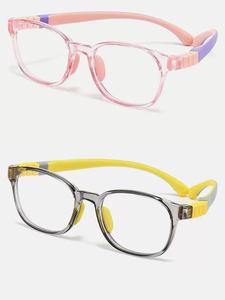
Under provincial programs like the Ontario OHIP eye care program, Alberta Health Care Insurance Plan (AHCIP), and RAMQ in Quebec, pediatric vision health remains a core clinic driver. Children destroy standard frames rapidly, creating parent frustration. Our factory stock lines solve this pain point with:
Patients in rural Saskatchewan or remote northern communities frequently lack nearby secondary ophthalmic surgery centers, leading to high-minus myopia and dense aphakic prescriptions. Heavy glass or high-index 1.74 plastic lenses need frames that mask lens edge thickness while distributing bridge weight comfortably:
Operating as a primary eyewear frame stock factory and specialized exporter rather than a commission-based sourcing agency gives our Canadian partners unmatched operational certainty. We control the complete value chain from raw chemical granule synthesis to multi-axis CNC acetating, automated electroplating, hand polishing, and final five-step bench alignment.
By bypassing multinational distributor networks, licensing conglomerates, and sales reps, Canadian clinics recapture 40% to 65% in procurement costs, allowing you to run competitive multi-pair retail promotions while increasing net profitability.
Prior to boxing, each frame undergoes 20,000-cycle temple flexion testing, salt spray humidity immersion (48h at 50°C), eyewire screw torque limits (0.4 N·m), and dimensional bridge alignment across precision granite inspection surface plates.
Avoid tying up valuable working capital in slow-moving massive inventory commitments. Draw from our running inventory of over 150,000 units on demand, receiving replenishment cartons precisely when your optical wall slots rotate out.
Partner directly with an established international stock factory. Access immediate wholesale inventory line sheets, complete physical specifications, wholesale tier pricing, and tailored logistics solutions for Canadian optical clinics, regional chains, and lab distributors.