
Partnership desk+971 50 359 50 86
Partner Enquiry Precision-milled Swiss TR90, Mazzucchelli-grade acetate, high-tensile stainless steel, and anti-blue light technologies engineered for tropical climates and rapid retail rotation.
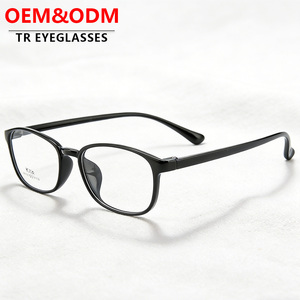
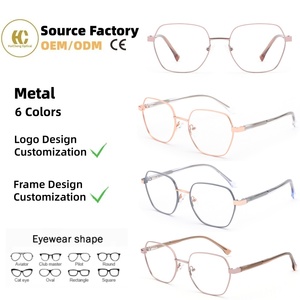

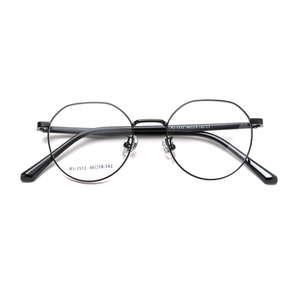
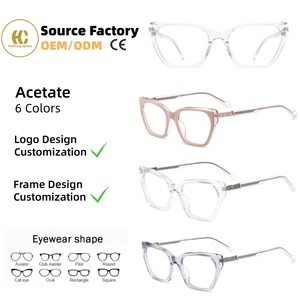
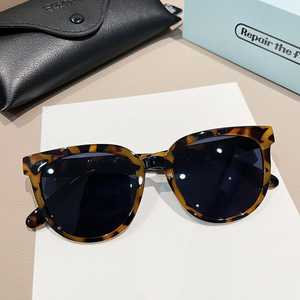
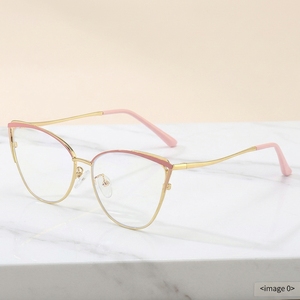
The optical retail ecosystem in Brazil represents one of the world's most dynamic yet regulation-intensive eyewear marketplaces. Spanning independent optometrist boutiques across São Paulo, Rio de Janeiro, and Belo Horizonte to nationwide retail powerhouses in shopping centers across the Northeast and South, commercial optical purchasing is shifting rapidly. Buyers no longer seek generic commodity frames; the demand has transitioned towards engineered performance, ergonomic adaptability for multi-ethnic facial morphology, and strict compliance with national health and safety metrics.
Several underlying macroeconomic and technological vectors are redefining how optical retail inventories are assembled and procured across Brazil:
1. The Rise of Private-Label Verticalization: Brazilian optical chains are increasingly moving away from third-party global licensed brands that erode retailer gross margins through steep royalty markups. By establishing direct OEM/ODM partnerships with factory-direct manufacturers, chains can develop exclusive private collections that yield gross margins between 65% and 80%, compared to 35% on heavily price-protected international labels.
2. Demographic Aging and Presbyopia Proliferation: Brazil’s demographic pyramid is undergoing an accelerated transformation. With an aging populace across states like Rio Grande do Sul and Paraná, the demand for progressive (multifocal) friendly frame architectures with minimum B-measurements of 32mm to 36mm has surged. Concurrently, increased screen times across younger urban professionals in tech corridors like Campinas and Curitiba drive universal integration of anti-blue light clear lenses across basic off-the-shelf inventories.
3. Climatic Resilience in Polymer Selection: The intense tropical solar radiation and elevated humidity of central and northern Brazil (e.g., Bahia, Pernambuco, Amazonas) cause rapid degradation in substandard plastics. Secondary-regrind cellulose propionate often yellows or deforms under intense UV exposure. Consequently, high-tier Swiss-engineered TR90 memory polymers and cured, cured block-cast cellulose acetate have become standard requirements for retailers attempting to minimize warranty returns caused by hinge looseness and temporal arm warping.
Challenge: Extreme humidity and atmospheric salinity accelerate galvanic corrosion in metal hinges and temple cores.
Solution: Surgical-grade 304/316L stainless steel, monel alloys with multi-layer PVD plating, and unplated high-purity TR90 frames that completely resist sweat acidity and salt mist oxidation.
Challenge: Rapid seasonal inventory turns and hyper-competitive visual merchandising against global fast-fashion brands.
Solution: European-inspired hand-polished acetate collections, oversized cat-eye geometries, and transparent pastel finishes designed for high aesthetic impact and premium retail margins.
Challenge: Sustained screen use leading to digital visual fatigue among software engineers, banking executives, and university students.
Solution: Featherweight ergonomics incorporating blue-light-filtering CR-39 / PC lenses fitted into dual-bridge TR90 frames with flexible beta-titanium temples for pressure-free 12-hour daily wear.
Precision manufacturing for the Brazilian market necessitates engineering parameters that mitigate the most frequent failure points reported by optical dispensaries:
Multi-Barrel Hinges with Thread-Lock Screws: Standard wholesale frames frequently lose temple tension due to vibration and frequent removal. Our manufacturing protocol employs 3-barrel and 5-barrel German-engineered OBE-style hinge blocks accompanied by micro-encapsulated nylon thread-locking screws. This system prevents screw backing even under perpetual mechanical torque.
Nasal Bridge Geometry & Anthropometric Variance: The Brazilian populace displays exceptional morphological diversity. Generic European nose bridges often pinch or slide on Latin American nasal profiles. Our tooling incorporates balanced splay angles (25°–30°) and deeper frontal pad clearance, offering adjustable titanium core-pads on metal frames and ergonomic contoured bridges on injection-molded TR90 collections to ensure uniform weight distribution across the zygomatic arch and nasal bridge.
Merging international production discipline with direct-to-retail supply chain architecture.
Eliminate intermediary trading commissions. Our integrated production facilities utilize CNC milling for block acetate, high-precision injection tooling for TR90, and automated robotic electroplating tanks for microscopic finish consistency across 50,000+ unit production cycles.
Complete documentation packages engineered for seamless Brazilian customs clearance. We provide full technical dossiers, chemical non-toxicity certifications (REACH/RoHS), and material conformity protocols aligned with ANVISA resolution criteria and INMETRO testing directives.
From ultralight Turkish-engineered performance TR90 to French-inspired bespoke luxury acetate and fashion-forward urban styling, our three-tier segmentation allows regional chain merchandisers to build balanced frame walls without internal cannibalization.
Every lot undergoes 100% manual dimensional verification, bridge bridge-deflection elasticity tests, 48-hour continuous artificial sweat corrosion chamber exposure, and hinge life-cycle cycling (over 20,000 open-close actions) prior to crating.
Empower your private-label optical line with precision laser-engraved temple logos, pad-printed technical metrics, custom branded microfiber wipes, and certified sustainable hard cases designed to reinforce brand loyalty across your retail branches.
Experienced documentation support for Mercosul trade routes. We provide export manifests, Bill of Lading documentation, Proforma invoicing structured for Siscomex registration, and consolidated sea/air freight booking direct to Porto de Santos or Guarulhos (GRU).
Key technical, fiscal, and logistical considerations for importing optical frames into Brazil.
Initiate direct communication with our optical engineering and export team. Request complete 2025/2026 technical catalogs, sample evaluation shipments, and wholesale volume pricing tailored to your retail network.
Contact Us